May 23, 2026
Selecting the ideal waste management partner is a critical step for any homeowner or contractor embarking on a major renovation, cleanout, or construction project. A reliable dumpster rental ensures that debris is handled efficiently, keeping your worksite safe and your progress on schedule without the hassle of multiple trips to a local landfill. Navigating the various sizes, pricing structures, and permit requirements can feel overwhelming at first glance, but understanding the nuances of the industry allows you to make an informed decision. By prioritizing clear communication and transparent service, you can find a dumpster rental provider that simplifies your project’s logistics significantly.
Assessing Project Scale Requirements
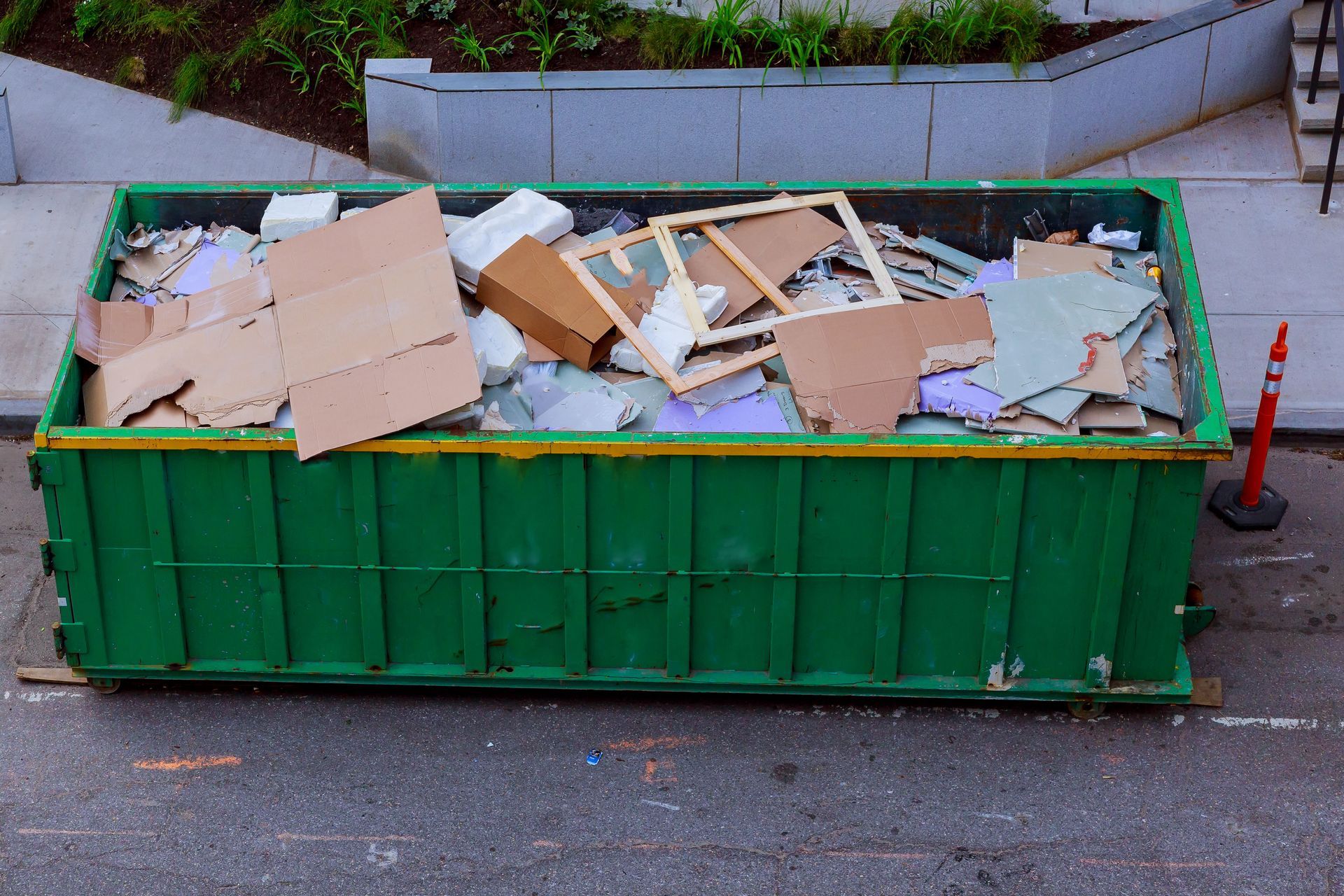
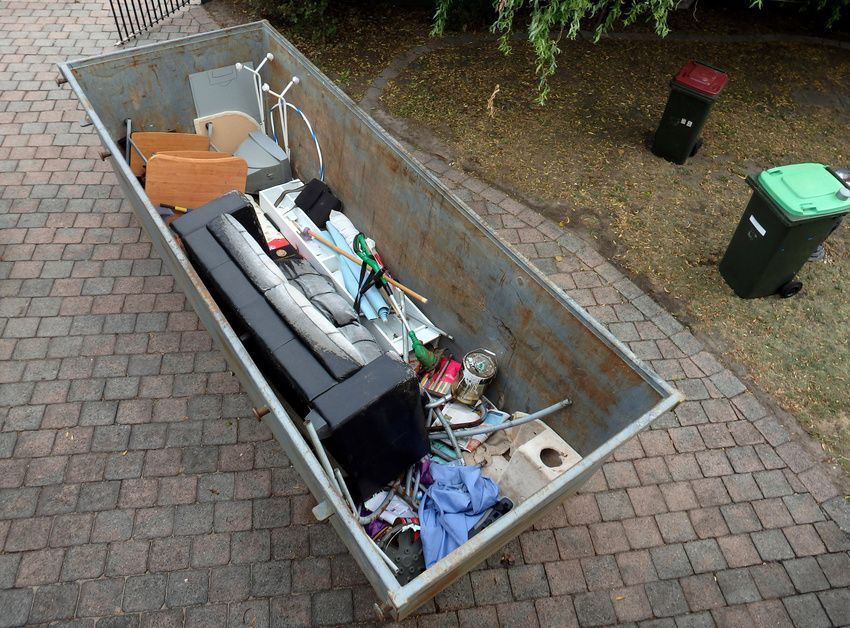
Determining the total volume of debris your project will generate is the most important factor in avoiding overage fees or the need for a second container. Whether you are tearing out an old kitchen or clearing out a cluttered basement, matching the bin size to your specific workload prevents logistical bottlenecks. According to Fixr, a 10-yard dumpster holds around 2 to 3 tons of waste and works well for junk removal in an apartment or a small to medium-sized house. For larger construction jobs, moving up to a 20 or 30-yard dumpster unit ensures that bulky materials like drywall and lumber fit comfortably.
Comparing Pricing Structure Transparency
Navigating the financial aspect of a dumpster rental requires a keen eye for hidden fees that can quickly inflate your initial quote. Reputable companies provide a flat-rate pricing model that includes delivery, pickup, a specific weight limit, and the standard rental duration. You should always ask about potential surcharges for exceeding weight capacities, disposing of prohibited items, or keeping the container past the agreed-upon window. Comparing at least three different quotes allows you to understand the local market rate and ensures you are receiving a fair deal that aligns with your budget without any unpleasant surprises upon final billing.
Verifying Local Permit Regulations
Placing a large steel container on a public street or sidewalk often requires specific authorization from the municipal government to ensure neighborhood safety and traffic flow. When you arrange a dumpster rental, your provider should be able to guide you through the process of obtaining a right-of-way permit if the unit cannot fit on your private driveway. Every city has unique ordinances regarding how long a container can remain on the street and what reflective markings are required for nighttime visibility. Addressing these legal requirements early in the planning phase prevents local law enforcement from issuing costly citations or halting your project.
Understanding Prohibited Waste Restrictions
Federal and local environmental laws dictate that certain hazardous materials cannot be mixed with standard household or construction debris due to safety risks at disposal facilities. Common restricted items include car batteries, tires, wet paint, refrigerators containing freon, and industrial chemicals that could leak into the ground. Before finalizing your dumpster rental, request a comprehensive list of banned items from the service provider to avoid heavy fines or the rejection of your load at the scale. Knowing what you can and cannot throw away keeps your project compliant with environmental standards and protects the specialized equipment used for hauling.
Scheduling Delivery And Pickup Times
Timing is everything in a fast-paced renovation environment, and having a container arrive too late or stay too long can disrupt your entire workflow. You should look for a company that offers flexible scheduling and guaranteed delivery windows to ensure that your crew isn't left standing around with nowhere to put the trash. Most professional services suggest booking your dumpster rental at least a week in advance, especially during the busy spring and summer months when demand for waste containers peaks. Clear communication regarding the exact drop-off location on your property ensures the truck driver can navigate safely around obstacles.
Evaluating Weight Limit Constraints
Every container has a specific weight capacity that is governed by the structural limits of the truck's hydraulic lifting system and road weight regulations. It is a common mistake to assume that if the debris fits visually, it is within the legal weight limit, particularly when disposing of heavy materials like concrete, brick, or dirt. Exceeding these limits during your dumpster rental period can result in significant per-ton overage charges that were not part of your original budget. Discussing the density of your materials with the rental coordinator helps them recommend a "low-boy" container specifically designed for heavy, compact loads.
Reviewing Customer Service Reputation
The quality of the interaction you have with the office staff and the drivers can tell you a lot about the reliability of the overall operation. Online reviews and testimonials provide valuable insight into whether a company follows through on its promises regarding on-time delivery and careful placement of the bins. A high-quality dumpster rental service will prioritize protecting your driveway by using wooden planks under the rollers to prevent asphalt cracking or scratches. Reading about the experiences of other residents helps you identify which providers are known for their professionalism and which ones might leave you with a logistical headache.
Optimizing Container Placement Strategies
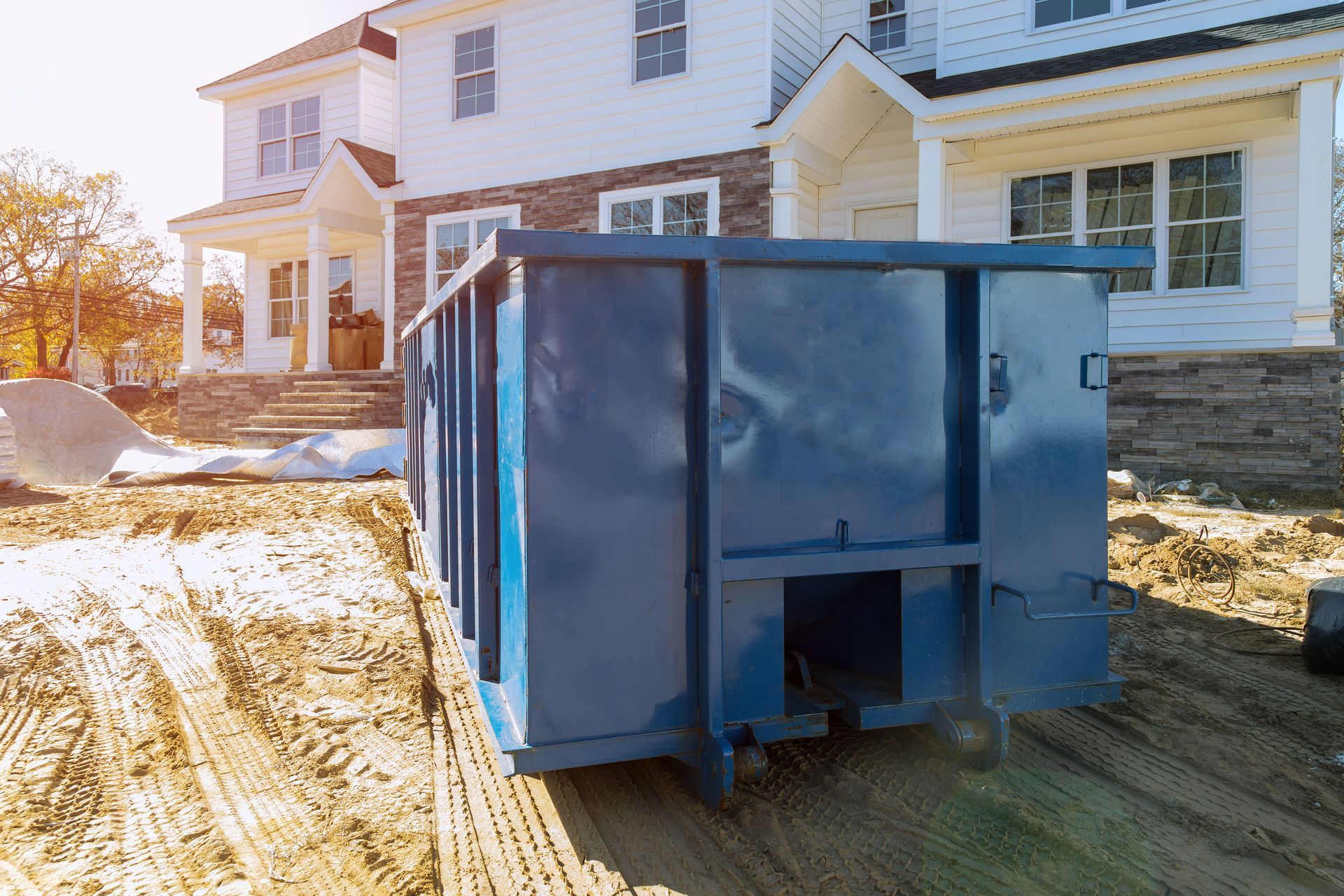
Selecting the perfect spot for your waste container involves balancing accessibility for your workers with the physical constraints of the delivery truck’s reach. You must ensure there are no low-hanging power lines, tree branches, or roof overhangs that could interfere with the "roll-off" mechanism during the drop-off process. A flat, hard surface is ideal to prevent the heavy steel bin from sinking into soft soil or damaging your landscaping after a rainstorm. Discussing the site layout with your driver ensures they can maneuver their large vehicle safely without damaging your property or blocking access to your garage.
Researching Sustainable Disposal Practices
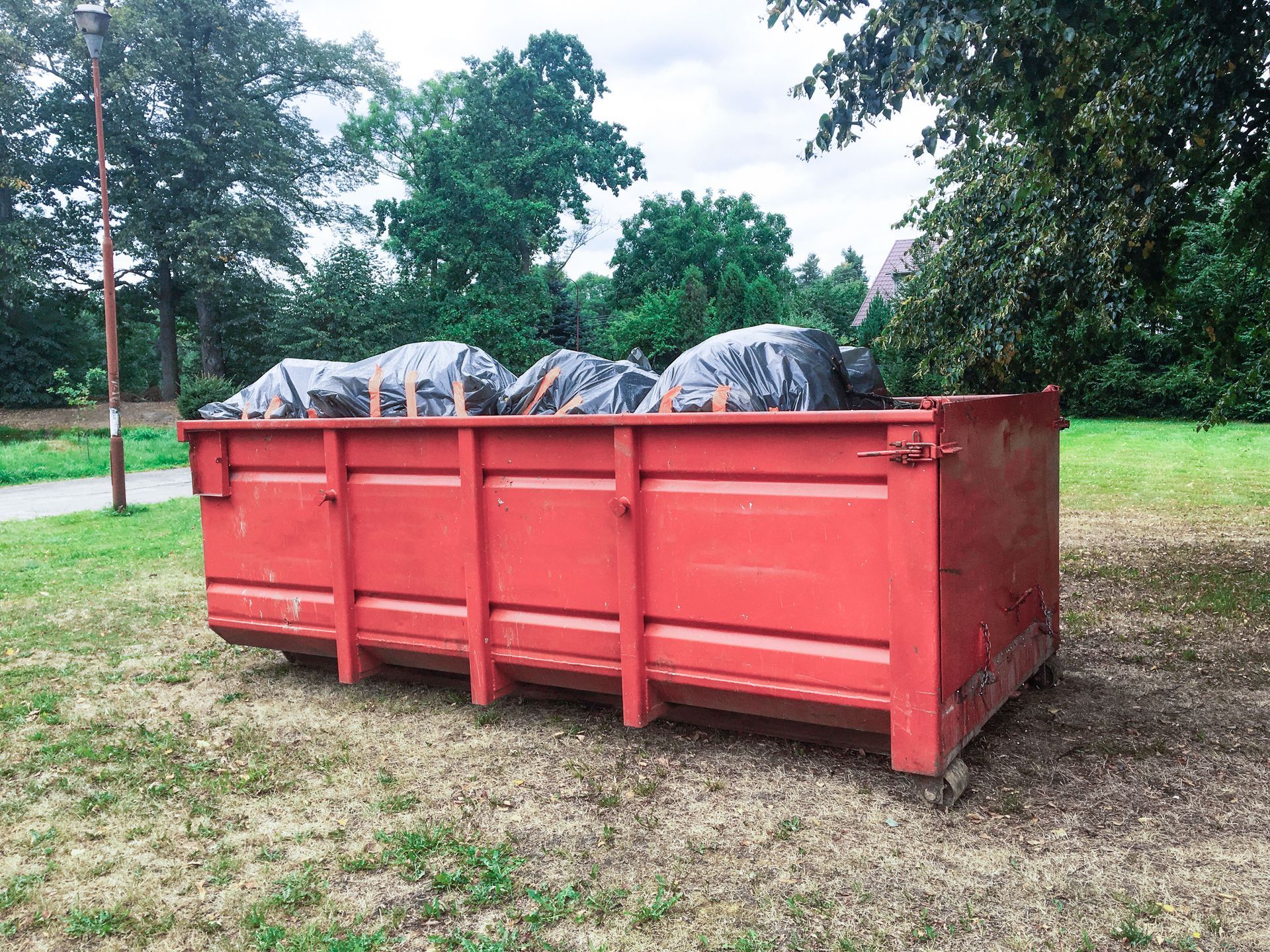
Modern consumers are increasingly concerned with where their waste ends up and how much of it can be diverted from landfills through sorting and recycling. Ask potential providers if they take their loads to a transfer station that sorts out recyclable metals, wood, and cardboard before disposing of the rest. A responsible dumpster service company will have established partnerships with local recycling centers to minimize the environmental impact of your renovation project. Choosing a service that prioritizes "green" disposal methods allows you to feel better about the footprint of your project while supporting local efforts toward a circular economy.
Checking Equipment Quality Standards
Not all waste containers are created equal, and using a bin with rusted-out floors or broken hinges can lead to safety hazards and unsightly leaks on your property. Inspecting the company’s fleet or asking about the age of their inventory ensures that you receive a well-maintained unit that reflects positively on your worksite. The doors on the back of the container should operate smoothly, allowing you to walk heavy items into the bin rather than lifting them over the high side walls. High-quality equipment reduces the risk of accidents and ensures that the containment of your debris remains secure throughout the project.
Investigating Insurance And Liability Coverage
Accidents can happen during the delivery or pickup of heavy equipment, and you want to ensure that you are protected from liability if property damage occurs. A professional service provider carries comprehensive insurance that covers their drivers and their trucks while they are operating on your private land. Before signing any contract, verify that the company is fully licensed and bonded to operate in your specific region. This professional level of protection differentiates legitimate businesses from "fly-by-night" operations that might leave you responsible for costly repairs to your driveway or utility lines if a mishap occurs during the process.
Selecting the correct waste management partner is an essential component of a successful project that requires careful thought and due diligence. By focusing on size accuracy, fee transparency, and the reputation of the service provider, you can avoid the common pitfalls associated with debris removal. Whether you are dealing with a small household cleanout or a large-scale demolition, the right container makes the process safer and more organized for everyone involved. Taking the time to research local regulations and prohibited items will further ensure a smooth experience. Ultimately, a professional service allows you to focus on the creative work of your project while the cleanup stays under control. Are you seeking a reliable dumpster rental service in Johnson, Hood, and Tarrant Counties, TX? Look no further than the professionals at Burleson Dumpsters! Call today to book your rental dumpster.