June 1, 2026
Undertaking a major cleanout, renovation, or landscaping project requires careful planning, especially regarding debris. Having a dedicated space to toss away old materials and general clutter is crucial for maintaining a safe work environment. Many homeowners and contractors rely on a temporary waste container to streamline the cleanup process, preventing debris from piling up. However, the process of securing and using one of these large receptacles is not always simple. Without the right knowledge, it is easy to make errors that cause frustrating delays. By understanding the common pitfalls associated with renting a roll off dumpster, you can ensure your project remains stress-free. Recognizing what can go wrong allows you to proactively plan your waste management strategy, guaranteeing that your property stays clean and your timeline stays intact.
Choosing the Wrong Size
A frequent error individuals make is estimating their debris volume incorrectly and choosing a receptacle that is too small or excessively large. When you underestimate the amount of waste your renovation or cleanout will generate, you will quickly find yourself with a full roll off dumpster long before your project is finished. This situation forces you to halt your work and arrange for an additional swap, causing unnecessary delays. Conversely, overestimating your needs means you are reserving space you will never use, which is simply inefficient. To prevent this, carefully evaluate the scope of your project. Break down the types of materials you will be discarding and their physical bulk. Consulting with waste management professionals can provide invaluable insight. Securing the appropriately sized container from the beginning ensures that your cleanup process flows seamlessly without space shortages.
Ignoring Specific Weight Limits
Every waste container comes with specific weight restrictions that must be strictly adhered to for safe transportation. While it might be tempting to toss heavy materials into your roll off dumpster until it reaches the brim, doing so creates significant safety hazards. Dense materials like roofing shingles, dirt, and concrete weigh significantly more than standard household clutter or drywall. If you fill a large container exclusively with heavy debris, the specialized truck may be physically unable to lift it, or it may pose a danger on the road. It is vital to communicate the exact nature of your debris to your provider before delivery. If you plan to dispose of exceptionally heavy materials, you might need a specialized container designed to handle that dense load safely. Monitoring what goes into the container and distributing the weight evenly ensures a smooth pickup.
Disposing of Prohibited Items
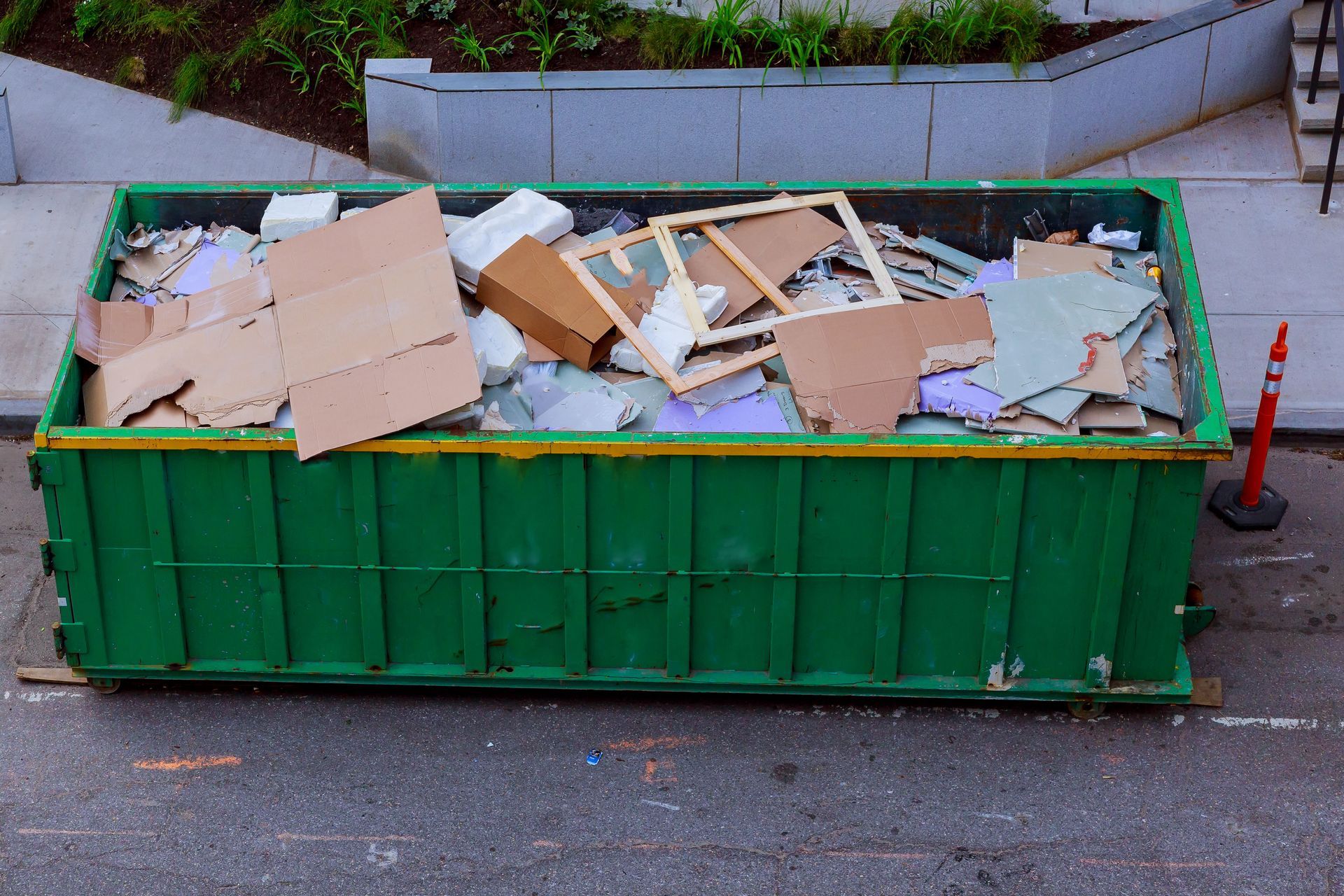
Another critical mistake is assuming that absolutely any type of waste can be tossed into your rented container. Environmental regulations and local facility rules prohibit certain hazardous materials from mixing with general debris. Items such as liquid paints, automotive fluids, batteries, and harsh chemicals pose a severe risk to the environment and cannot be processed in standard landfills. Tossing these prohibited items into the receptacle can lead to significant complications. Therefore, you must carefully review the list of unacceptable materials provided by your service. On the other hand, traditional building materials are perfectly fine. According to World Metrics, building and demolition materials make up 30% of the total debris transported away in waste containers. Sticking to approved materials guarantees compliance with local regulations. Always dispose of hazardous materials through designated municipal recycling programs to protect the environment. Many local communities host periodic collection events specifically designed for these dangerous goods. Taking advantage of these specialized resources keeps our neighborhoods safe and your cleanup project fully compliant.
Failing to Prepare the Site
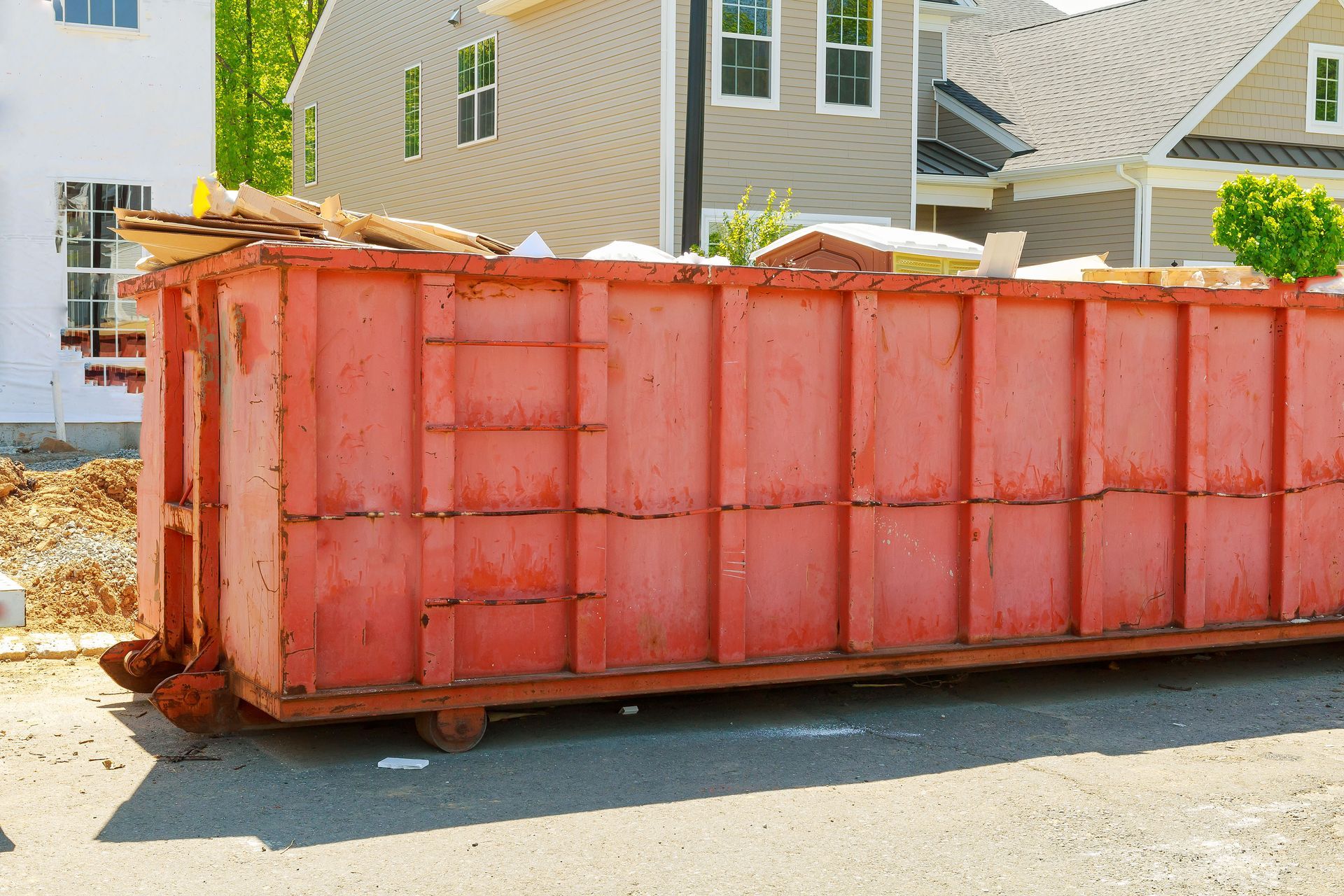
Preparing the drop-off location is a crucial step that is often overlooked until the delivery truck arrives. The designated placement area needs to be entirely clear of any low-hanging branches, power lines, and physical obstacles that could hinder the driver's ability to maneuver. Additionally, the surface must be solid and flat to properly support the immense weight of the receptacle, especially once it is fully loaded. If you are placing the container on a residential driveway, it is recommended to lay down protective wooden planks to prevent scratches or cracking on the pavement. Ensuring the delivery path is wide enough for the large commercial truck is equally essential. By proactively clearing the designated area, your roll off dumpster will be delivered exactly where you need it without any property damage. Adequate site preparation sets the stage for an efficient cleanup. Placing a highly visible marker, such as a traffic cone, helps the driver identify the precise drop-off spot immediately upon arrival. Keeping pets and children safely indoors during this time prevents unnecessary accidents while the heavy equipment is in motion.
Overfilling the Debris Space
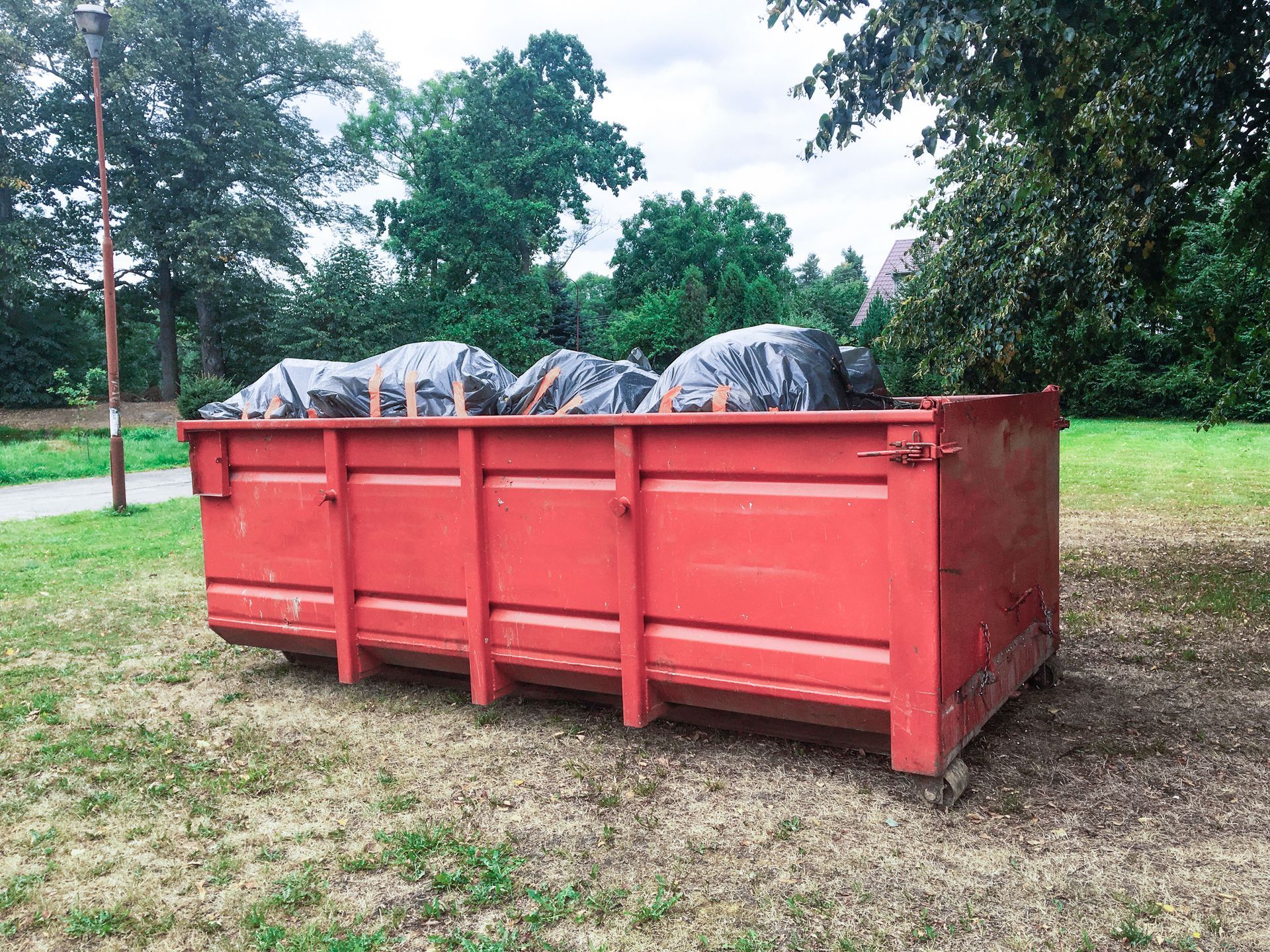
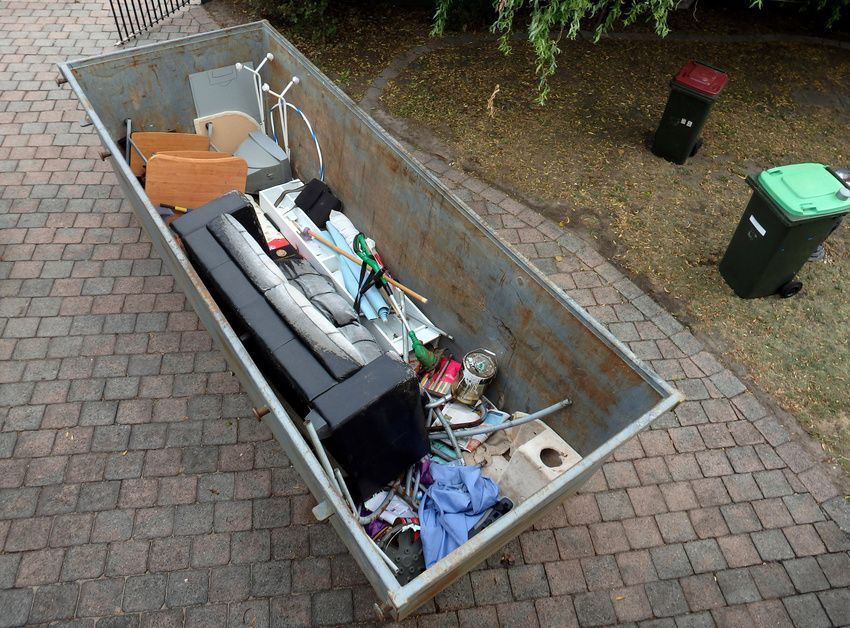
It is incredibly common for individuals to keep piling debris high above the top edge of their rented container, assuming it is perfectly fine. However, loading materials beyond the designated fill line creates a significant safety hazard. Waste management trucks must cover the load with a secure tarp before transporting it to the disposal facility. If items are protruding above the rim, the tarp cannot be safely secured, and the driver will not be able to legally transport the load. This mistake requires you to manually remove the excess debris before the container can be hauled away, wasting valuable time and physical effort. To avoid this entirely, always keep your debris level strictly below the top edge of your roll off dumpster. Breaking down bulky items like furniture before tossing them inside maximizes the available interior space. By packing the receptacle smartly, you prevent unexpected delays and keep your cleanup timeline entirely on track.
Overlooking Necessary Placement Permits
Depending on where you live and exactly where you intend to place your waste container, you might be legally required to obtain a specific permit from your local municipality. While placing the receptacle entirely on your private driveway usually does not require special permission, situating it on a public street or shared sidewalk almost always mandates official authorization. Neglecting to secure the proper documentation before your roll off dumpster is delivered can result in swift intervention from local authorities and interruptions to your project. It is your responsibility to check with your local city hall or public works department well in advance of your scheduled delivery date. Taking the proactive step to acquire any necessary permits ensures that your project remains completely compliant with all local ordinances, allowing you to focus entirely on completing your property cleanout without legal hurdles.
Successfully managing the waste from your next major home project does not have to be a complicated or stressful endeavor. By taking the time to carefully estimate your debris volume, adhering strictly to weight and fill limits, and preparing your property for delivery, you can easily bypass the most frequent frustrations associated with waste disposal. Proper planning ensures that your workspace remains clean, incredibly safe, and highly efficient from the very first day of demolition to the final cleanup phase. Whether you are tackling a massive home renovation or a comprehensive landscaping overhaul, having a reliable strategy for a roll off dumpster makes all the difference in the world. If you are ready to streamline your cleanup process with a dependable waste management solution, contact us at Burleson Dumpsters today. We will help you select the perfect container for your specific needs and ensure your project runs smoothly.