June 15, 2026
In any home renovation or clean-up project, renting the right dumpster can be crucial for managing waste efficiently. Making an informed decision on dumpster rental ensures that your project runs smoothly and that all waste management requirements are met. Dumpsters come in various types and sizes, each suitable for different kinds of projects. This guide will help you understand the various types of dumpsters available and how to choose the best one for your specific home project needs. From understanding your project requirements to weighing environmental and legal considerations, this article covers everything you need to make the right choice.
Understanding Your Project Requirements
Defining the Scale and Scope of Your Project
The scale and scope of your project are primary factors influencing the type of dumpster you should rent. Large-scale projects like major home renovations require larger dumpsters, while small-scale efforts like single-room cleanouts can often suffice with smaller options. Assessing the volume of waste you expect is essential; overestimating or underestimating can disrupt your project timeline. For instance, a whole-house cleanout typically generates substantial waste, making larger options like a 20-yard dumpster ideal. Properly defining the scope helps avoid delays and potential costs associated with swapping out dumpsters midway through the project.
Identifying the Types of Waste Materials
Different projects produce varied types of waste, thus requiring different dumpster solutions. General debris, construction waste, and yard waste all need specific disposal methods. It’s crucial to identify the primary waste materials your project will produce and choose a dumpster rental suited to handle that waste. This is particularly important when dealing with hazardous or recyclable materials, which often have stringent disposal regulations. Selecting the wrong dumpster for the type of waste can lead to fines and inefficient waste management.
Determining the Duration of Your Project
The duration of your project will impact the dumpster rental period. Short-term projects might need only a few days of rental, while long-term renovations might require month-long contracts. Overestimating the rental period could invite unnecessary costs, though underestimating can lead to penalties for exceeding the agreed duration. Speaking to service providers about flexible rental terms can provide peace of mind. Choosing a dumpster rental company offering flexibility reduces stress, allowing you to focus on completing your project efficiently.
Exploring Common Types of Dumpsters
Understanding Roll-Off Dumpsters
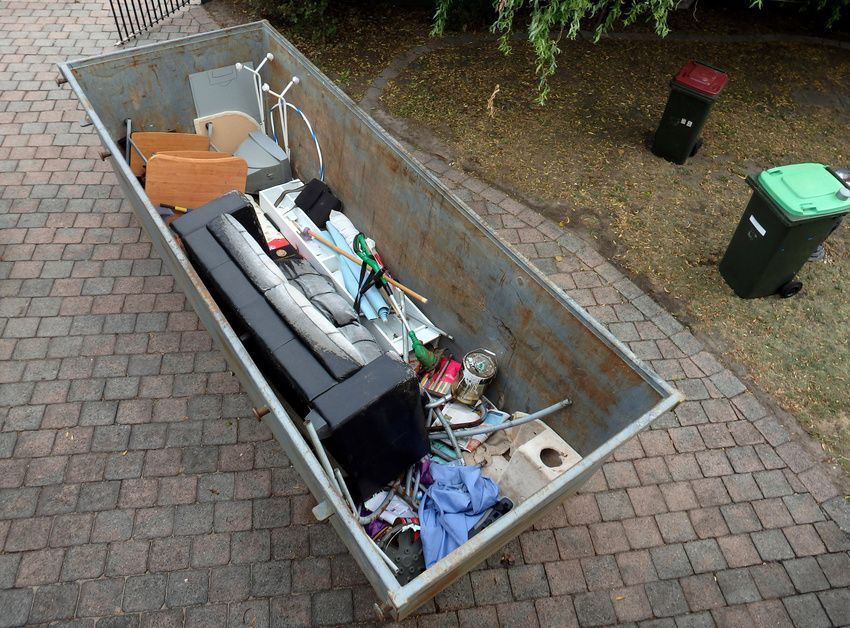
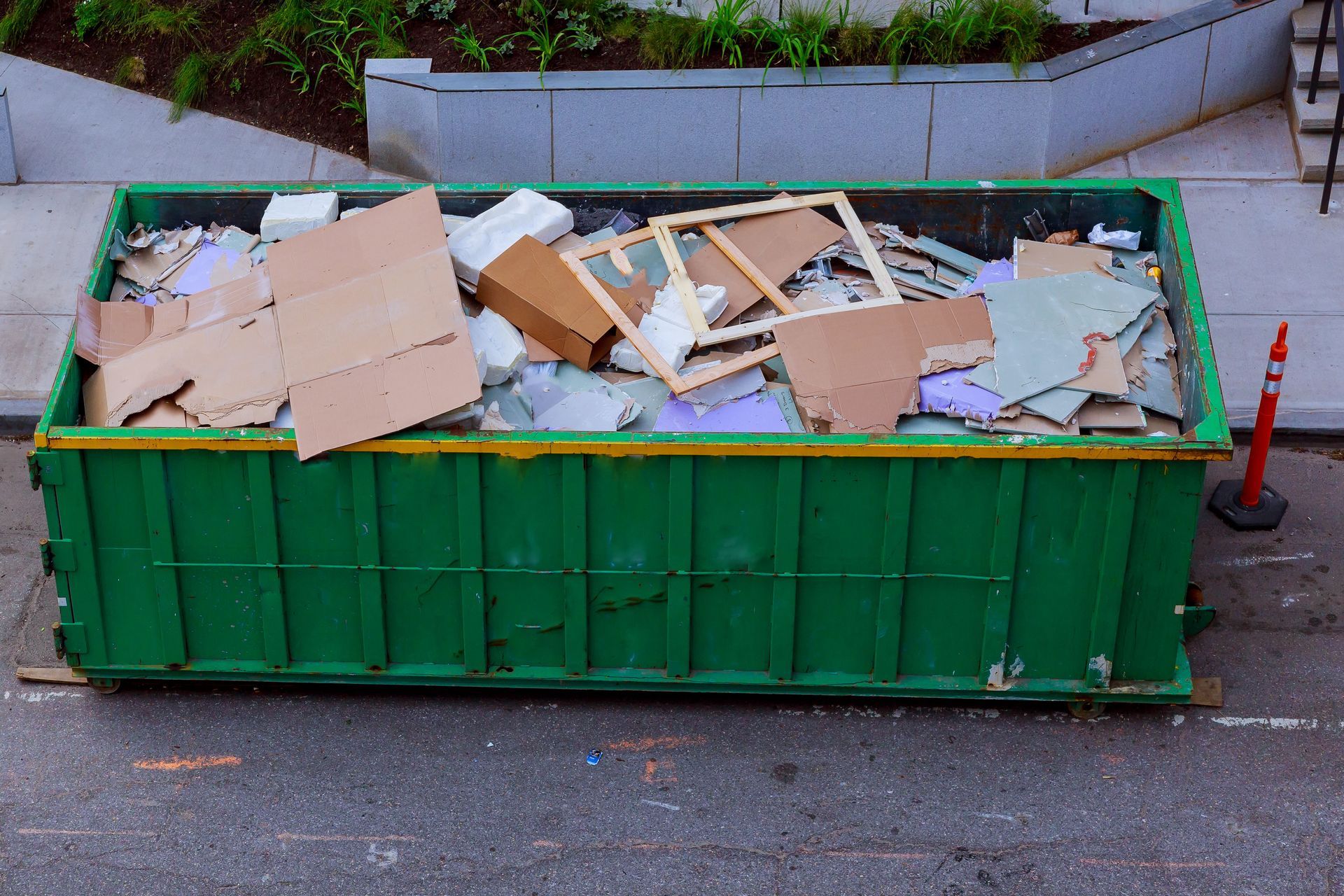
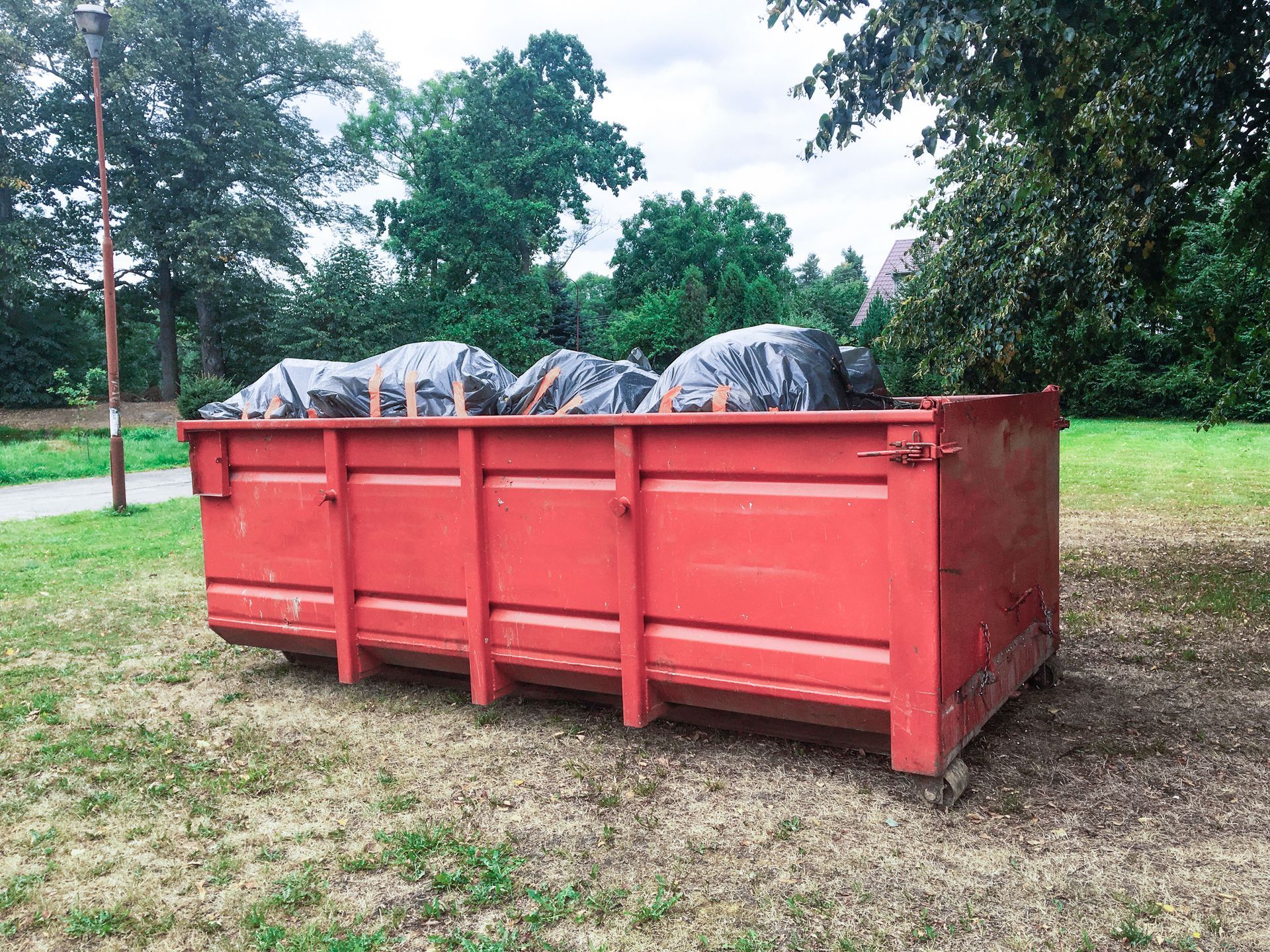
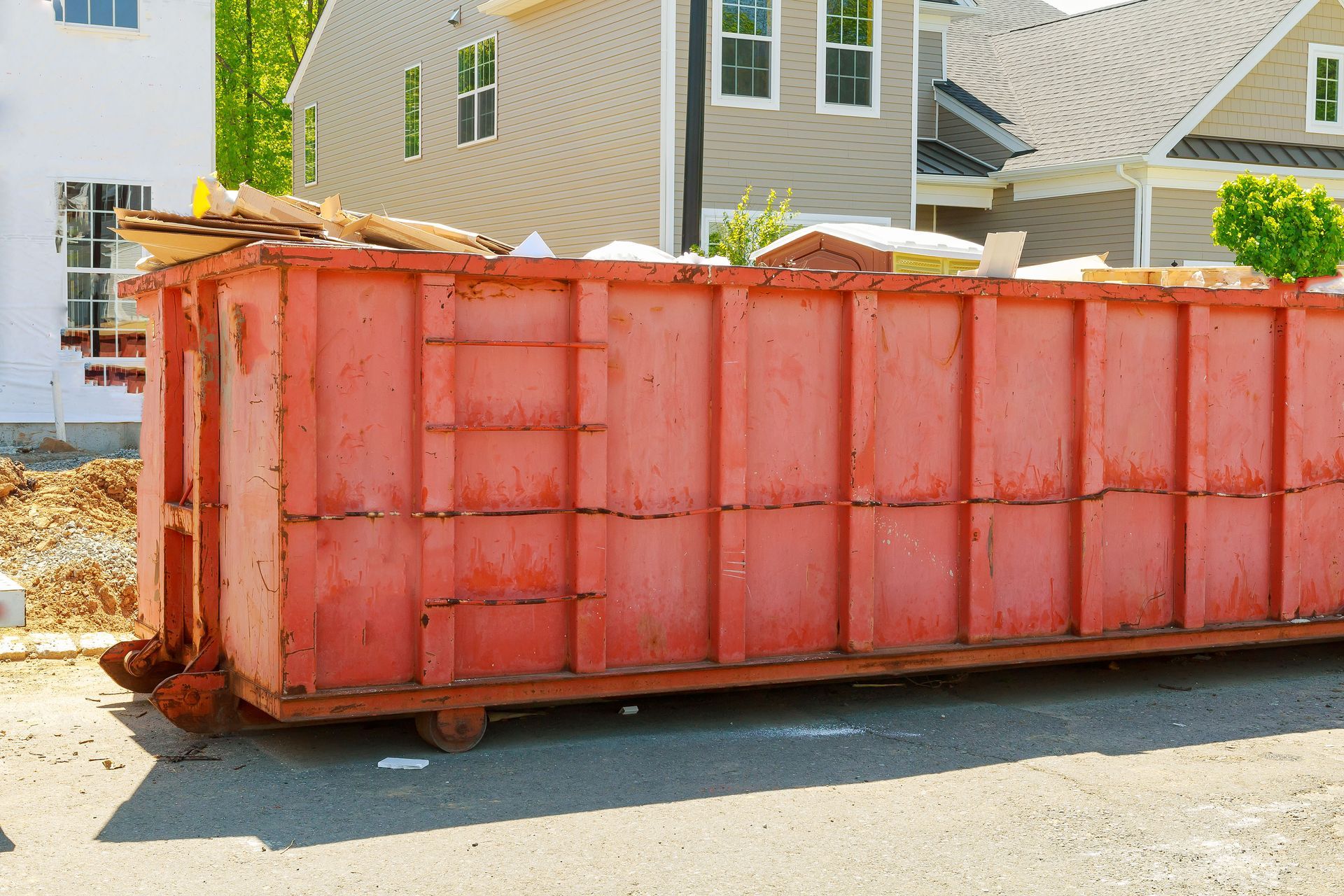
Roll-off dumpsters are a popular choice for both residential and commercial projects due to their versatility. These dumpsters are typically delivered by a truck equipped with a hydraulic system, allowing for easy off-loading onto sites. Roll-off dumpsters come in various sizes, making them well-suited for projects that produce considerable waste volumes, such as renovations or demolition. The open-top design facilitates easy disposal of large, bulky items. Understanding the functionality of roll-off dumpsters can significantly benefit homeowners undertaking extensive home improvement projects.
Evaluating Commercial Dumpsters
While commonly associated with businesses, commercial dumpsters can be beneficial for large-scale residential projects. They are built for frequent collection and can handle mixed waste, making them ideal for ongoing or multifaceted projects. Residential sites with diverse waste sources, such as metal, wood, and general debris, can benefit from this versatility. Due to their robustness, commercial dumpsters allow for multiple types of waste to be processed efficiently. Selecting a commercial dumpster can mitigate the need for multiple, specific waste disposal solutions.
Choosing the Right Dumpster Size
Choosing the right dumpster size involves understanding common sizes and their intended project alignments. Dumpsters typically range from 10-yard to 40-yard capacities, each fitting different scales of projects. According to CCR Magazine, a 20-yard dumpster is an ideal choice for projects such as house cleanouts and garage clearing. Selecting a size compatible with your project prevents long-term issues like overflow or underutilization. Assessing the scale of work, the quantity of debris, and logistical constraints helps narrow down the perfect size.
Choosing the Right Dumpster Size
Comparing Common Dumpster Sizes and Their Uses
Choosing the right dumpster size involves understanding common sizes and their intended project alignments. Dumpsters typically range from 10-yard to 40-yard capacities, each fitting different scales of projects. According to CCR Magazine, a 20-yard dumpster is an ideal choice for projects such as house cleanouts and garage clearing. Selecting a size compatible with your project prevents long-term issues like overflow or underutilization. Assessing the scale of work, the quantity of debris, and logistical constraints helps narrow down the perfect size.
Calculating Your Estimated Waste Volume
Correctly estimating waste volume is essential to efficiently manage waste and avoid unnecessary costs. Calculating the volume involves measuring the dimensions and composition of waste materials to predict total output. Included as part of this process is the evaluation of recyclable materials requiring special handling. Overestimating can safeguard against unexpected increases in waste, avoiding trouble with overflow or the need to order additional dumpsters. Careful assessment helps in choosing an economical and appropriately-sized dumpster.
Avoiding the Consequences of Incorrect Sizing
Incorrectly sizing a dumpster can lead to multiple complications, from project delays to regulatory fines. An undersized dumpster can quickly fill up, leading to overflow and potential penalties for improper waste management. Conversely, selecting a large dumpster results in inefficiencies, as you will be charged for unused space. Misjudging the correct size of your dumpster rental also disrupts project timelines due to the need to replace or empty the dumpster more frequently than anticipated. Investing time in research and proper planning mitigates these risks effectively.
Evaluating Cost Considerations
Understanding Factors That Affect Rental Costs
Numerous factors influence dumpster rental costs, from the type and size to the rental duration and location requirements. Costs also depend on the volume of waste produced, defined by regional scales and differing waste management protocols. Understanding how fuel prices and local taxes impact rental pricing assists in strategic cost planning. Selecting a dumpster that accurately reflects your waste needs reduces vulnerability to unexpected expenditure escalations. A detailed understanding of all potential cost factors enables more effective budgeting and financial management.
Comparing Costs Between Providers
Conducting a thorough comparison of potential
dumpster rental providers offers insight into differing price models within the same region. Most providers set prices based on dumpster type, duration, and waste volume; these can vary significantly between companies. Evaluating multiple quotes ensures the selection of companies that align with expectations for service quality and price transparency. Additionally, comparing refund and cancellation policies might reveal strategic flexibility benefits. Research mitigates predispositions to bias, ensuring an unbiased selection process based on provider integrity and value.
Deciding Between Long-Term and Short-Term Rentals
Discerning the merits of long-term versus short-term rentals is pertinent for most projects, as pricing models shift according to the timeframe. Long-term projects often benefit from discounted pricing, reflecting reduced management needs for extended scheduling. For short-term needs, scrutinizing daily rates helps manage costs without inflated prices. Additionally, the flexibility of dynamic short-term rentals facilitates immediate project plan changes. Reviewing long-term discounts and short-term offers thoroughly ensures suitable agreements for project specifications.
Choosing the right dumpster for your home project involves understanding your project needs, knowing the types of dumpsters available, and considering factors such as cost, legality, and environmental impact. Each project variable — from size and waste type to legal and budget considerations — plays a role in determining the most suitable dumpster. Taking proactive steps by researching providers, estimating waste volumes, and identifying adaptive rental solutions guarantees an efficient and compliant waste management strategy. By working with an experienced provider like Burleson Dumpsters, homeowners can ensure a smooth and efficient waste management process for any home project.