May 28, 2026
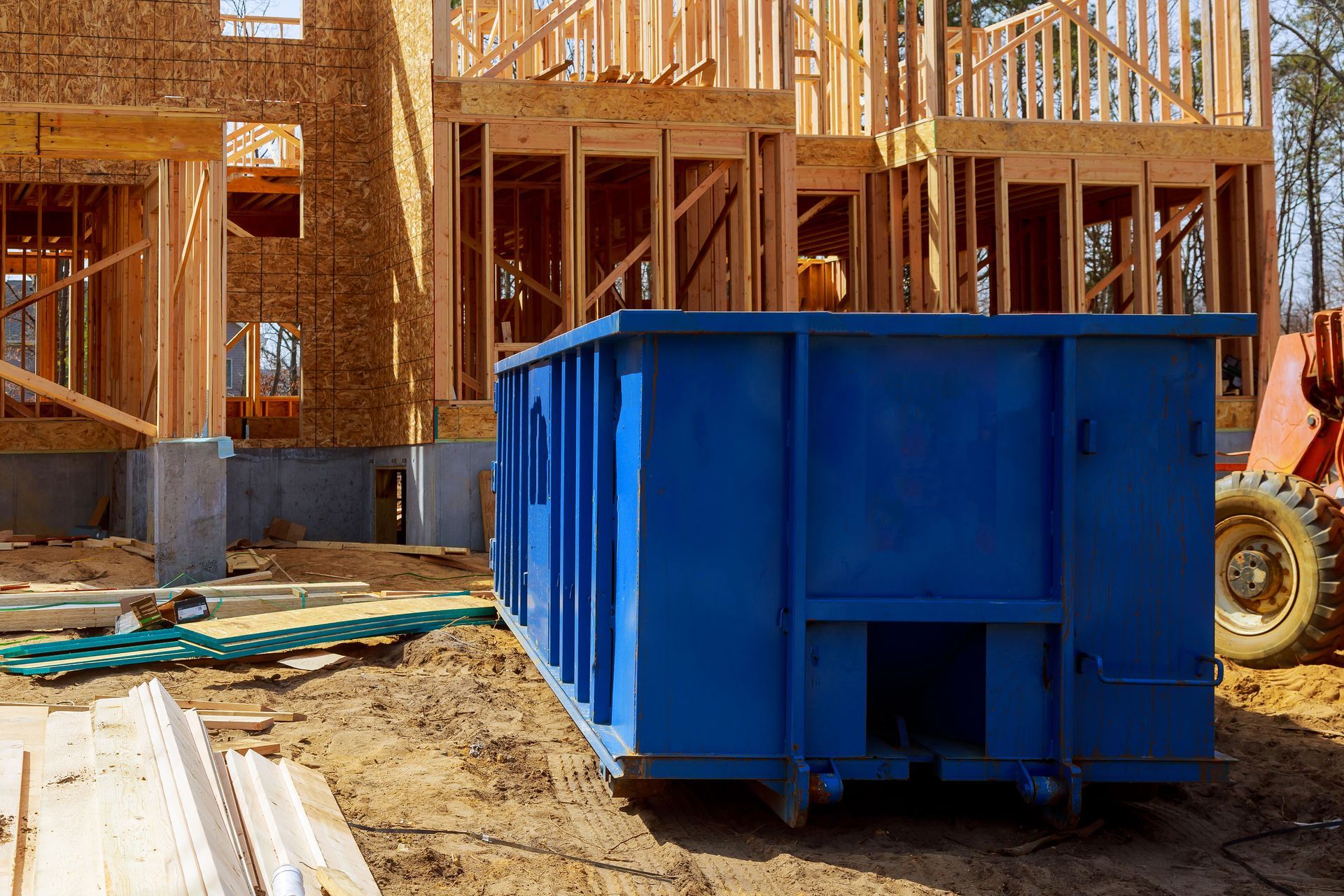
In the bustling world of construction, managing waste effectively is crucial for maintaining efficient, safe, and sustainable operations. Roll off dumpsters offer a streamlined solution for handling construction debris, allowing for a cleaner and more organized site. Their widespread use not only enhances productivity but also aligns with environmental and safety regulations that govern the industry. With increasing emphasis on sustainable practices, these dumpsters have become indispensable in the construction sector, providing a host of benefits that facilitate better project outcomes.
1. Increased Efficiency in Waste Management
1.1 Streamlined Waste Disposal Process
One of the primary benefits of roll off dumpsters is the streamlined waste disposal process they provide. They simplify the logistics of waste removal, enabling construction teams to deposit waste directly into the dumpster without the need for intermediary steps. This direct method reduces the time and manpower required for managing debris, freeing up resources for more critical tasks. The efficiency of this system also minimizes delays in waste removal, ensuring that the site remains clear and operational. By incorporating these dumpsters into their workflow, construction managers can significantly enhance the overall pace and efficiency of their projects.
1.2 Reduced Time Spent on Waste Management
Time is a vital resource in any construction project, and the use of these dumpsters helps in preserving it effectively. Traditional waste management methods often involve multiple trips and elaborate coordination, which can be time-consuming. In contrast, a roll off dumpster allows for a centralized waste disposal point on-site, reducing the need for frequent trips to off-site disposal locations. This consolidation of waste management efforts leads to a more organized site and allows workers to focus on construction tasks rather than waste logistics. The time saved through this efficient system contributes to better project timelines and enhances overall productivity.
1.3 Simplified Waste Segregation
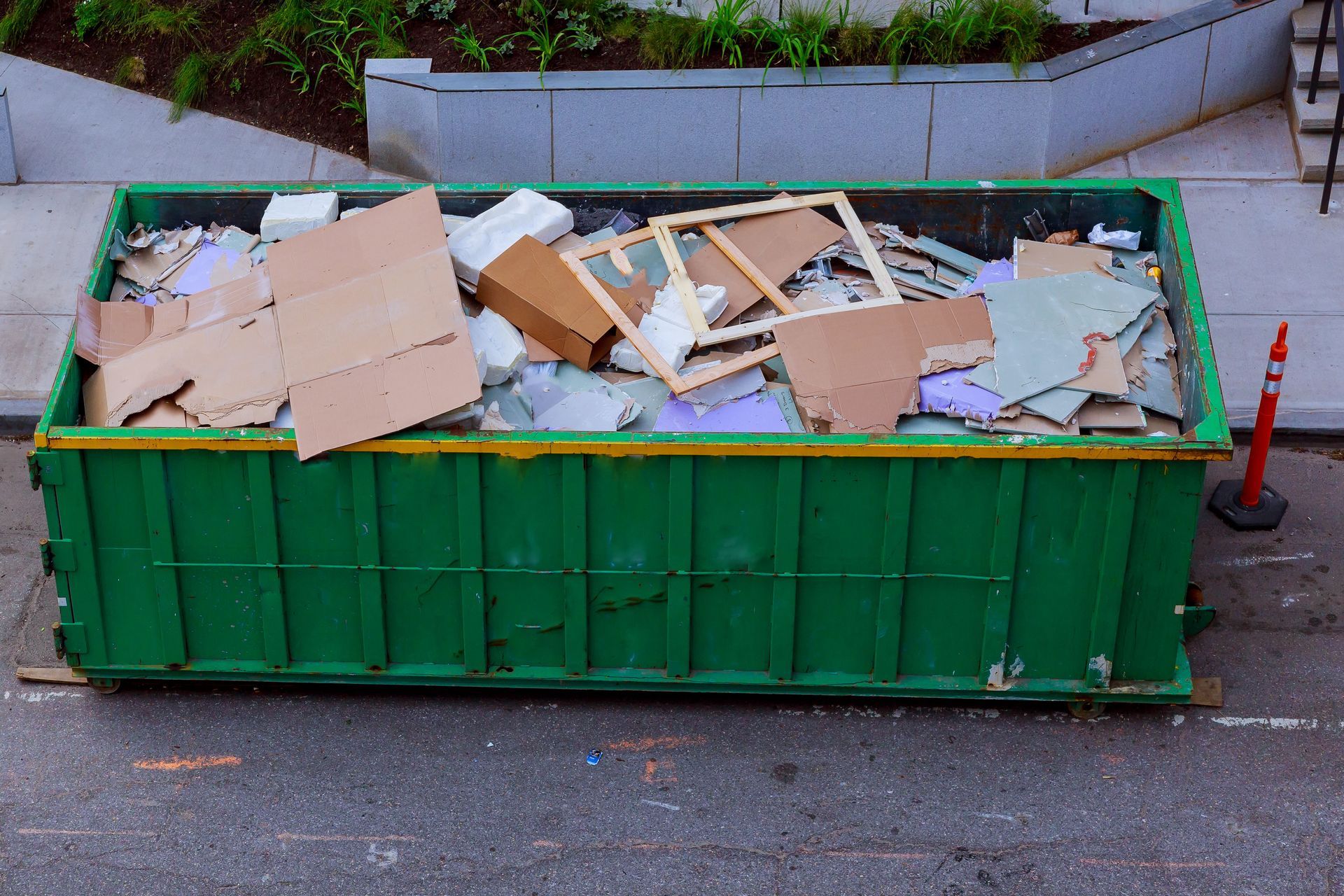
Waste segregation is a critical component of effective waste management, ensuring materials are disposed of properly and are eligible for recycling. These dumpsters facilitate this process by enabling easy categorization of waste types within the same unit or through multiple specialized units. This approach helps in maintaining compliance with environmental regulations that mandate proper segregation and disposal of construction waste. Moreover, the simplification of waste segregation also reduces the risk of contamination, which can complicate recycling efforts.
2. Enhanced Site Safety
2.1 Reduced On-Site Clutter
Clutter on construction sites can pose significant safety risks to workers, from tripping hazards to obstructed pathways. Roll off dumpsters play a crucial role in maintaining a tidy site by providing a designated spot for debris and waste. By reducing the amount of scattered debris, workers can move more freely and safely throughout the site, decreasing the incidence of accidents. Maintaining organized walkways and workspaces enhances not only safety but also improves the workflow, as workers can navigate the site more efficiently. For construction managers, employing these dumpsters is a proactive measure in creating a safer working environment for their crews.
2.2 Hazardous Accumulation Prevention
Accumulations of waste materials can become hazardous, potentially leading to accidents or environmental incidents. By regularly using these dumpsters, construction sites prevent the buildup of debris, which can include sharp, heavy, or otherwise dangerous materials. A well-managed waste disposal system ensures that these materials do not pose risks to workers or disrupt ongoing construction activities. Additionally, keeping the site free from excessive waste aligns with safety regulations that mandate the clearance of potential hazards. The use of these dumpsters is thus essential in preventing hazardous conditions and maintaining compliance with safety standards.
2.3 Improved Traffic Flow and Accessibility
Effective waste management enhances traffic flow and site accessibility, both crucial for efficient construction operations. These dumpsters, strategically placed, allow for clear pathways and unloading areas, reducing congestion. This consideration is particularly important on busy sites where multiple teams and equipment are in operation simultaneously. Improved accessibility ensures that vehicles, including delivery trucks and heavy machinery, can navigate the site with ease, reducing the risk of accidents or delays.
3. Cost-Effectiveness
3.1 Lower Labor Costs
Labor costs constitute a significant portion of construction budgets, and effective waste management strategies can help reduce these expenses. Roll off dumpsters minimize the need for extended labor hours by enabling quick and efficient disposal of waste, reducing the time workers spend on waste management. As a result, workers can focus on core construction tasks, enhancing their productivity and project progress. Furthermore, with less time spent on waste disposal, overtime hours and additional labor costs are minimized, leading to substantial savings. In this way, these dumpsters contribute directly to the bottom line by optimizing both resources and labor expenditures.
3.2 Savings on Material Disposal Fees
Proper waste disposal is often accompanied by fees, particularly when dealing with construction materials. By reducing the number of trips required for waste disposal, these dumpsters help mitigate these costs. They allow construction managers to consolidate waste, reducing the frequency and volume of waste that must be transported for disposal, ultimately leading to fee savings. Furthermore, the capacity of these dumpsters, such as the 20-yard container that can hold up to 3 tons, according to Fixr, effectively and cost-effectively manages large volumes of waste. This capability supports budget management by minimizing disposal fees and enabling better allocation of project funds.
3.3 Fine and Penalty Avoidance
Non-compliance with waste management regulations can lead to significant fines and penalties for construction projects. These dumpsters help construction sites maintain compliance by ensuring that waste is managed and disposed of according to regulatory standards. By preventing illegal dumping and ensuring proper segregation, these dumpsters protect companies from costly fines that can arise from negligence or oversight. Adopting these dumpsters as part of a comprehensive waste management strategy mitigates legal risks and promotes responsible practices. Thus, they serve as an essential tool in safeguarding construction firms against regulatory penalties and preserving their financial resources.
4. Environmental Benefits
4.1 Recycling and Reuse
Recycling and reuse are central to sustainable construction practices, reducing the environmental impact of building projects. Roll off dumpsters aid these efforts by supporting effective waste segregation, making it easier to direct recyclables to appropriate processing facilities. Additionally, by maintaining sorting efficiency, they help maximize the volume of materials that can be recycled or reused. Through this facilitation of environmentally responsible waste management, these dumpsters contribute to reducing the construction industry's reliance on virgin materials. Such practices not only support ecological goals but also align with industry trends toward greener, more sustainable construction methods.
4.2 Carbon Footprint
Construction activities significantly contribute to carbon emissions, partly due to inefficient waste management. These dumpsters help lower the carbon footprint of construction projects by optimizing waste collection and transport processes. By reducing the frequency of disposal trips, these dumpsters help decrease the fuel consumption and emissions associated with transportation. Furthermore, their role in facilitating recycling reduces the need for manufacturing new materials, which also contributes to emission reductions. As such, employing these dumpsters is a practical step toward minimizing the environmental impact of construction activities and supporting broader sustainability objectives.
Roll off dumpsters offer a multi-faceted approach to construction waste management, providing benefits that enhance efficiency, safety, cost-effectiveness, environmental responsibility, legal compliance, and flexibility. Their ability to streamline waste disposal, reduce site hazards, lower costs, support recycling, comply with regulations, and adapt to project changes makes them an invaluable tool for construction managers. For more information, call Burleson Dumpsters today.