May 29, 2026
The purpose of this article is to demystify the process of securing waste management solutions and present it as a straightforward, manageable task. Whether you are tackling a long-overdue basement purge, a full-scale home renovation, or preparing for a major move, the sheer volume of accumulated "stuff" can quickly turn a productive project into a logistical nightmare.
Renting a dumpster is an essential part of many renovation, cleanout, and construction projects, yet the process can seem daunting to those unfamiliar with it. This guide is designed to break down each component of the rental process into detailed, easy-to-understand steps, allowing you to navigate it with confidence. By understanding the basics of sizes, service types, and the choice of providers, you can streamline your project and avoid unnecessary complications. In doing so, you ensure a smooth, efficient experience that aligns with your project's unique requirements and keeps your job site—or driveway—clear of debris.
Understanding Dumpster Sizes and Capacities
One of the first hurdles homeowners face is visualizing how much space they actually need. Dumpster sizes can vary widely, but they are often categorized by their capacity in cubic yards. According to Home Business Magazine, residential dumpsters typically range in size from 10 to 40 cubic yards. Selecting the right one is the "Goldilocks" challenge of waste management: you don't want one so small that it overflows, nor one so large that you are paying for empty air.
Exploring Common Size Categories
- 10-Yard Dumpsters: Ideal for minor home cleanouts, small bathroom remodels, or heavy materials like concrete and dirt.
- 20-Yard Dumpsters: The "middle-of-the-road" choice, perfect for medium-sized kitchen renovations or large basement decluttering sessions.
- 30 to 40-Yard Dumpsters: These are the heavy hitters. They are best suited for major construction, full-scale estate cleanouts, or commercial projects that generate a massive volume of bulky debris.
Choosing the correct capacity is crucial for both project success and cost efficiency. To determine the right fit for your dumpster rentals, assess the type and volume of materials you expect to dispose of. For instance, garden waste might require less capacity than construction debris due to differences in density and how the items "nest" together. Consulting with a professional can provide additional insights and help refine your selection based on specific project details, ensuring you don't end up with a second rental bill just to finish the job.
Comparing Weight Limitations and Measurement Standards
It is a common misconception that if it fits, it ships. However, dumpster rentals are not solely determined by volume; weight limitations also play a pivotal role. Every container has a "weight cap" based on the truck's lifting capacity and local road weight limits. Exceeding these limitations can incur significant extra charges, so understanding these standards is key to budgeting accurately.
Many rental companies offer guidelines that correlate the material type to typical weight standards. For example, a 10-yard dumpster filled with household junk is much lighter than a 10-yard dumpster filled with wet soil or shingles. Always request a clear breakdown of costs from your provider to facilitate thorough budgetary planning and avoid "overweight" surprises on your final invoice.
Types of Dumpster Rental Services
Not all waste disposal needs are the same, which is why there are different types of dumpster rentals available depending on your project's duration and material type.
Temporary Roll-Off Dumpsters
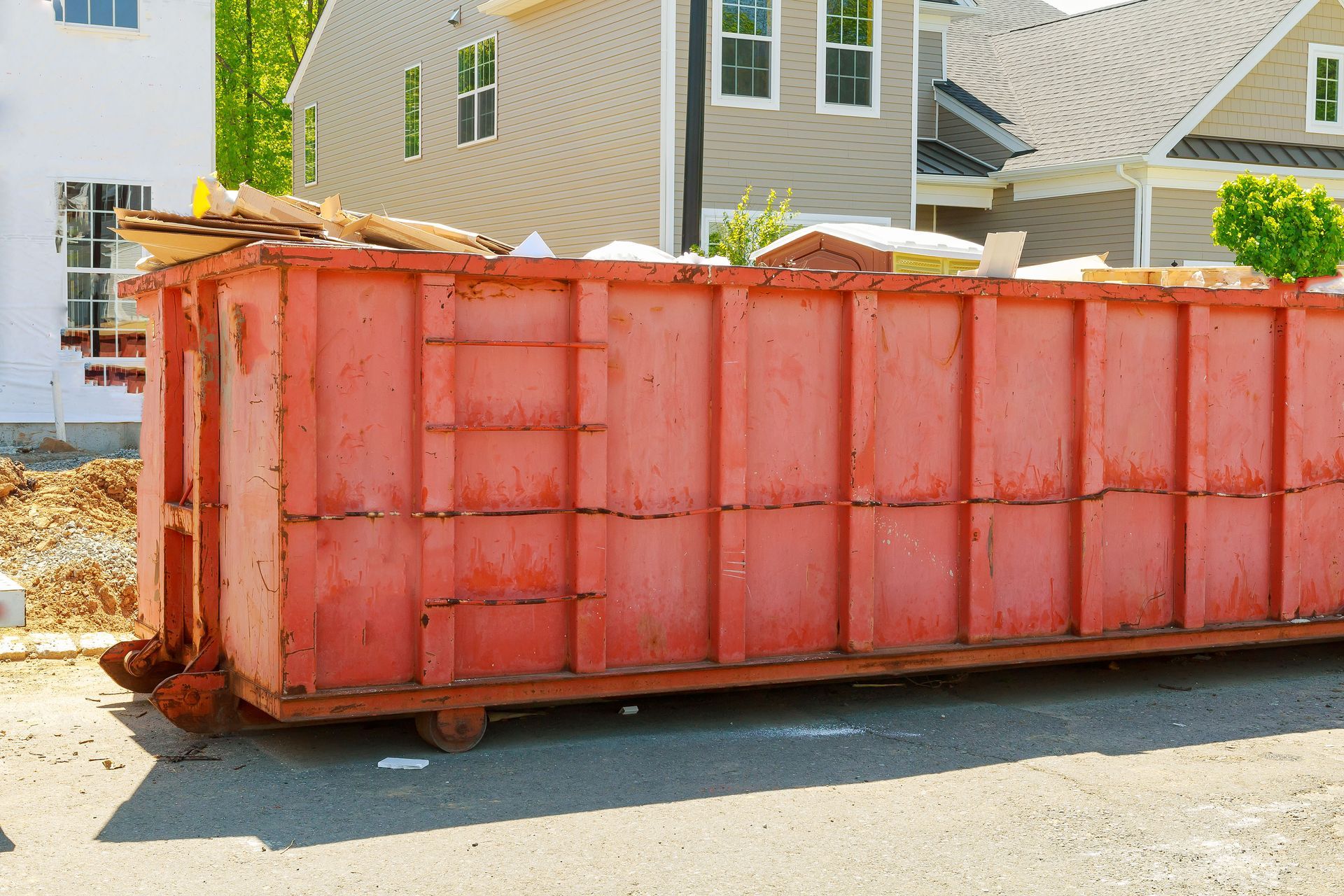
These are the most common choices for residential projects. Delivered on specialized trucks, they are "rolled off" onto your driveway. They are designed for short-term use—usually 7 to 14 days—making them perfect for DIY renovations or weekend garage purges.
Specialty and Commercial Services
Businesses frequently utilize commercial services for ongoing waste management. These are heavier-duty containers meant for permanent placement and regular pickup. Additionally, specialty dumpster rentals address specific waste needs, such as "clean-load" containers for concrete or shingles, which can often be recycled at a lower cost than mixed municipal waste.
Choosing the Right Provider
The success of your project often hinges on the reliability of the company you choose. Evaluating the reputation of a company entails examining its history and reading customer feedback. A provider with a proven track record of transparency and responsive customer service is far more valuable than the absolute cheapest quote you find on the internet.
Preparing for Dumpster Delivery
Proper site preparation is essential for a safe and efficient drop-off. When choosing the ideal location, look for a site that is level, firm, and clear of obstructions like overhead wires or low-hanging tree branches.
Access and Site Protection
Ensure your driveway is clear of vehicles and that the delivery truck has enough "swing room" to navigate. If you are worried about your driveway surface, many experts suggest laying down plywood sheets for the dumpster to rest on. This simple step protects your pavement from scratches or pressure cracks. By taking active measures to limit the impact on your property, you ensure that the only thing leaving your home is the trash.
Efficient Use of Your Dumpster
To get the most out of your dumpster rentals, you need to pack like a pro. Efficiently using the space minimizes costs and optimizes disposal efficiency.
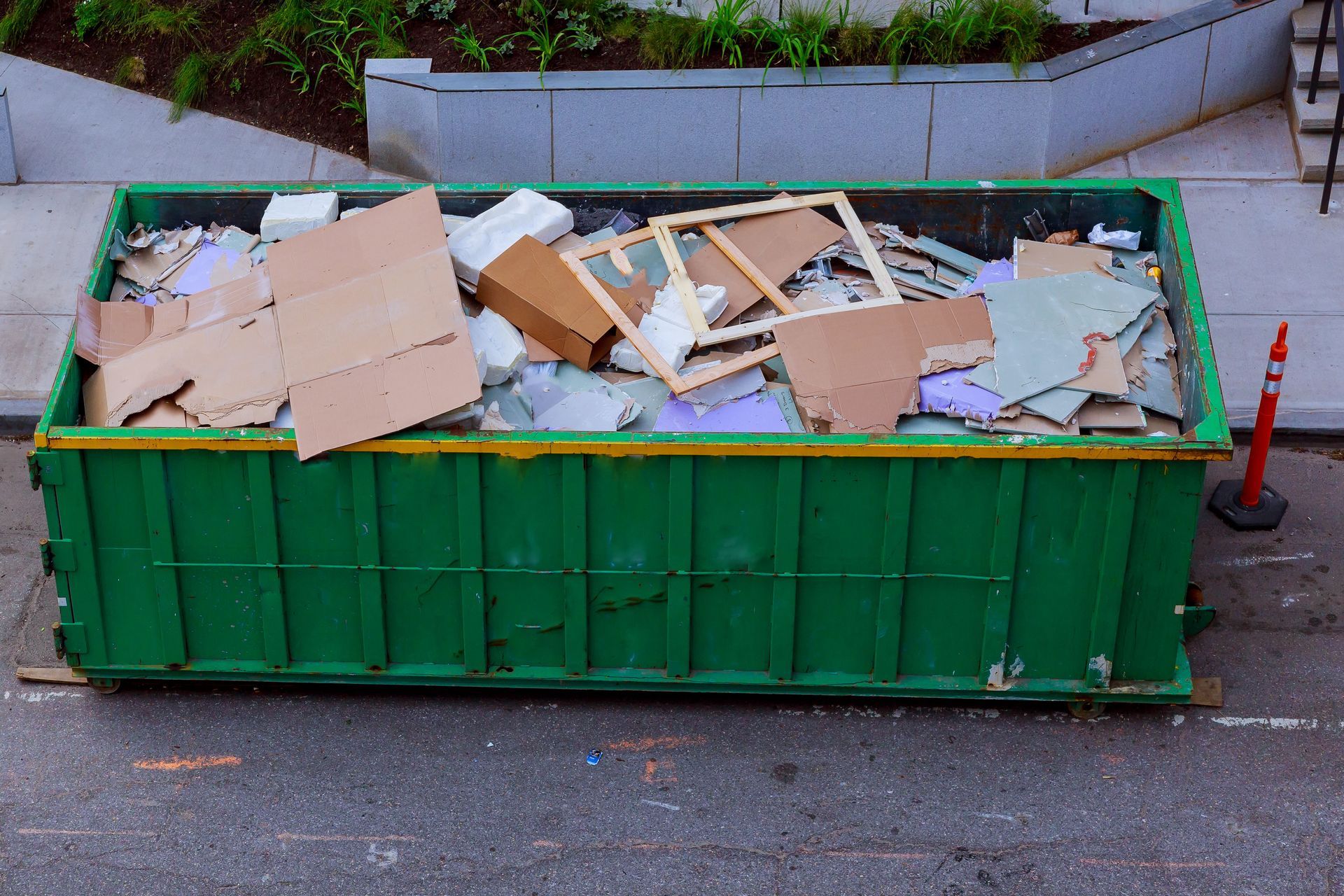
- Flatten Items: Break down cardboard boxes and dismantle furniture.
- Strategic Layering: Place bulky, heavy items at the bottom and fill the gaps with smaller debris.
- Sorting: Keep an eye out for recyclables. Diverting scrap metal or clean wood can sometimes lead to lower fees.
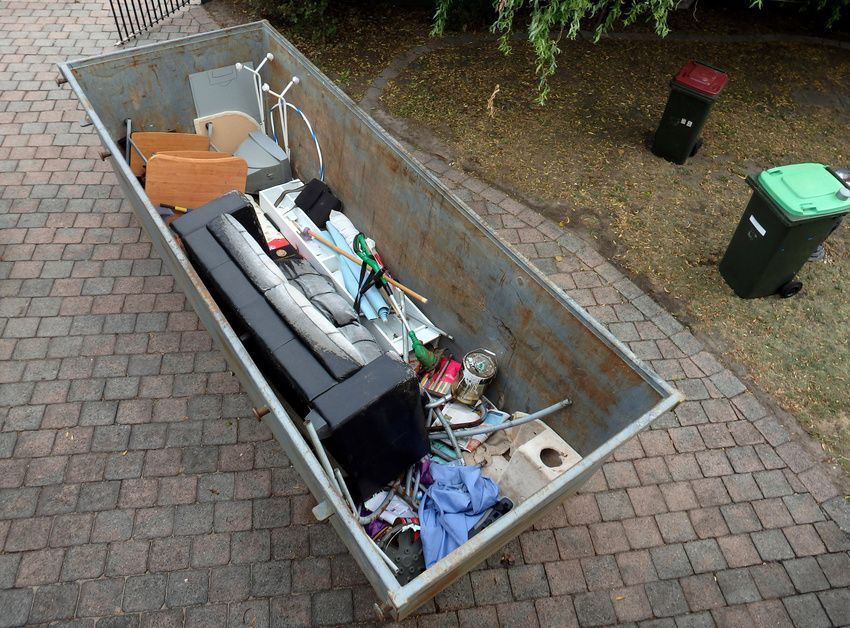
It is also vital to understand prohibited items. Most dumpster rentals forbid hazardous materials, such as chemicals, asbestos, batteries, or electronics. Placing these in a standard container can lead to heavy fines and environmental damage. Always check the restricted items list provided by your rental company to keep your project compliant.
After the Rental: Pickup and Post-Use Responsibilities
As your project nears its end, scheduling a timely pickup is the final step. Early communication ensures the provider can arrange a convenient time for removal, preventing your driveway from being blocked longer than necessary.
Ensuring Compliance
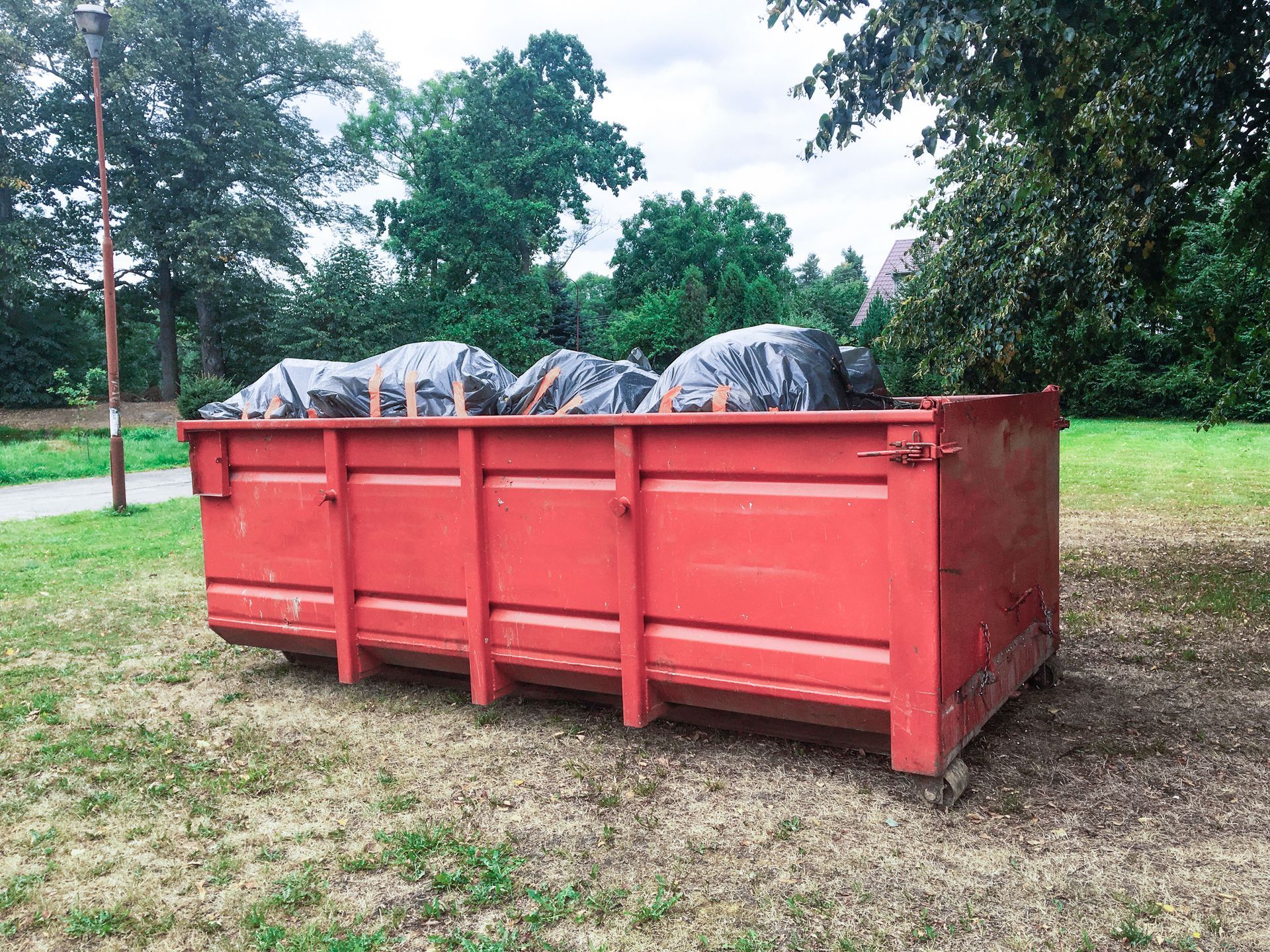
Before the truck arrives, ensure the debris is level with the top of the container. "Top-loading" a dumpster past its rim makes it unsafe for transport, and many drivers will refuse to pick up a container that is dangerously overfilled. Once the dumpster is gone, a quick sweep of the area will ensure no stray nails or glass shards are left behind, restoring your property to its original condition.
By breaking down the process into clear, manageable steps, waste management becomes a simple, efficient endeavor rather than a source of stress. Understanding each aspect—from selecting the right size and weight capacity to working with a reliable local provider—ensures a successful experience. Are you considering working with a professional dumpster company?
When approached strategically,
dumpster rentals offer significant value to you, allowing you to focus on the creative aspects of your renovation or the relief of a decluttered home. Don't let the debris of your hard work pile up and stall your progress. For a seamless experience backed by local expertise and transparent pricing, trust Burleson Dumpsters to handle your next project. We make the "ugly" part of your project easy, so you can enjoy the results of your hard work sooner. Reach out today for a quote and see how simple waste disposal can really be.