November 12, 2026
Undertaking a substantial property renovation, structural demolition, or extensive residential clear-out demands an organized strategy for debris removal and operational safety. When projects generate large volumes of bulky debris, relying on typical municipal trash collection simply is not practical. Securing the right waste management equipment early prevents hazardous clutter, eliminates spatial congestion, and protects surrounding structures from unnecessary strain. According to RTS, the US produces 728,000 tons of waste per day (over 4.9 pounds per person/day). Because disposal volume accumulates so rapidly across residential and commercial sectors, choosing suitable roll off containers represents a critical foundational decision that dictates your overall project timeline, workflow safety, and logistical expenditure.
Navigating the equipment rental process requires clear foresight regarding capacity ratings, regional municipal guidelines, and physical property accommodations. A poorly planned waste strategy can lead to severe project disruptions, unexpected structural degradation, and costly municipal penalties. Conversely, aligning your material volume with the right mechanical equipment ensures continuous efficiency from the opening day of construction through final property recovery. Understanding how to manage your rental timeline, evaluate reputable regional haulers, and choose the proper unit dimensions prevents operational bottlenecks. By mastering these fundamental preparation requirements, property owners and commercial project managers can secure their investments and streamline disposal workflows from start to finish.
Understanding Container Specifications and Categories
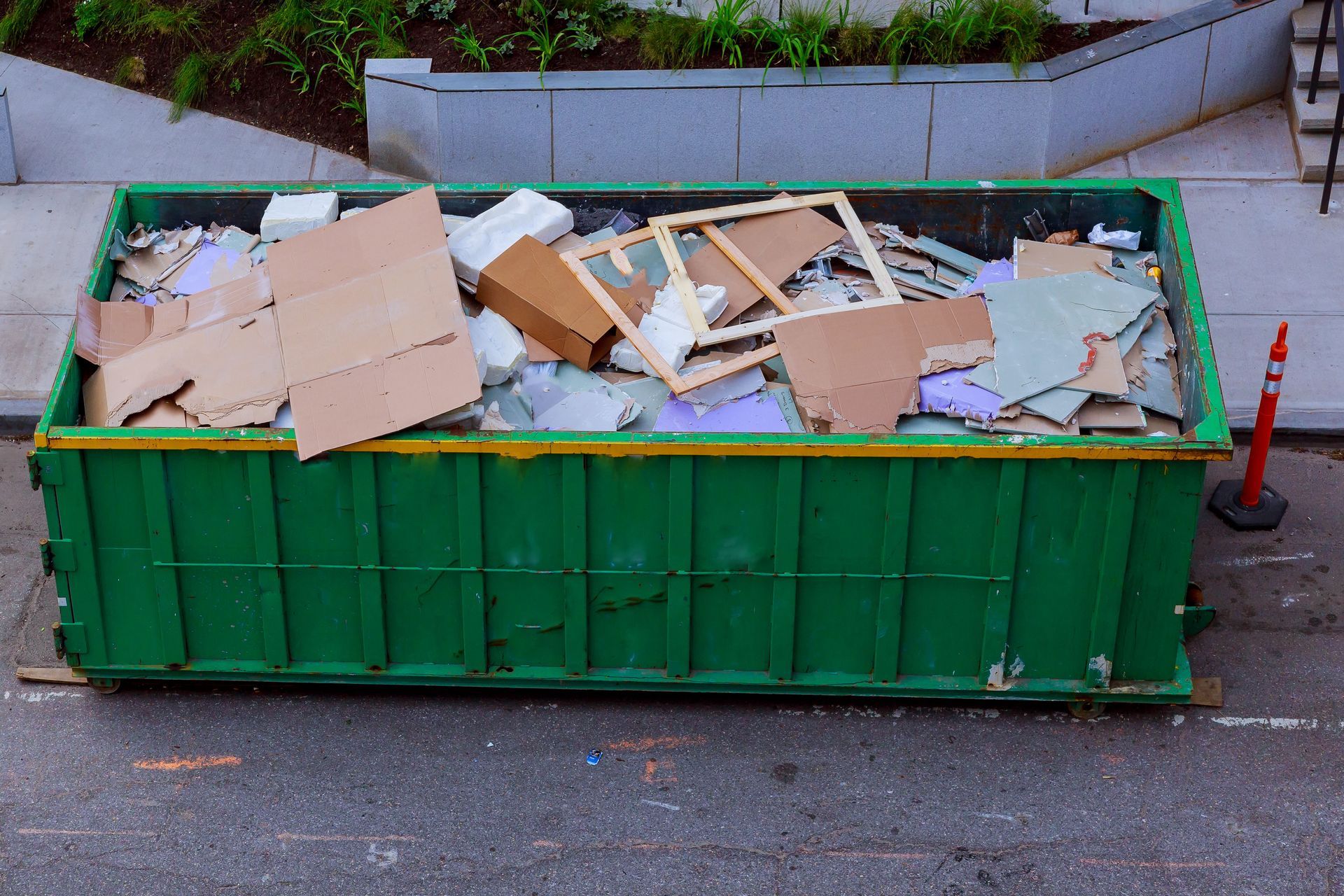
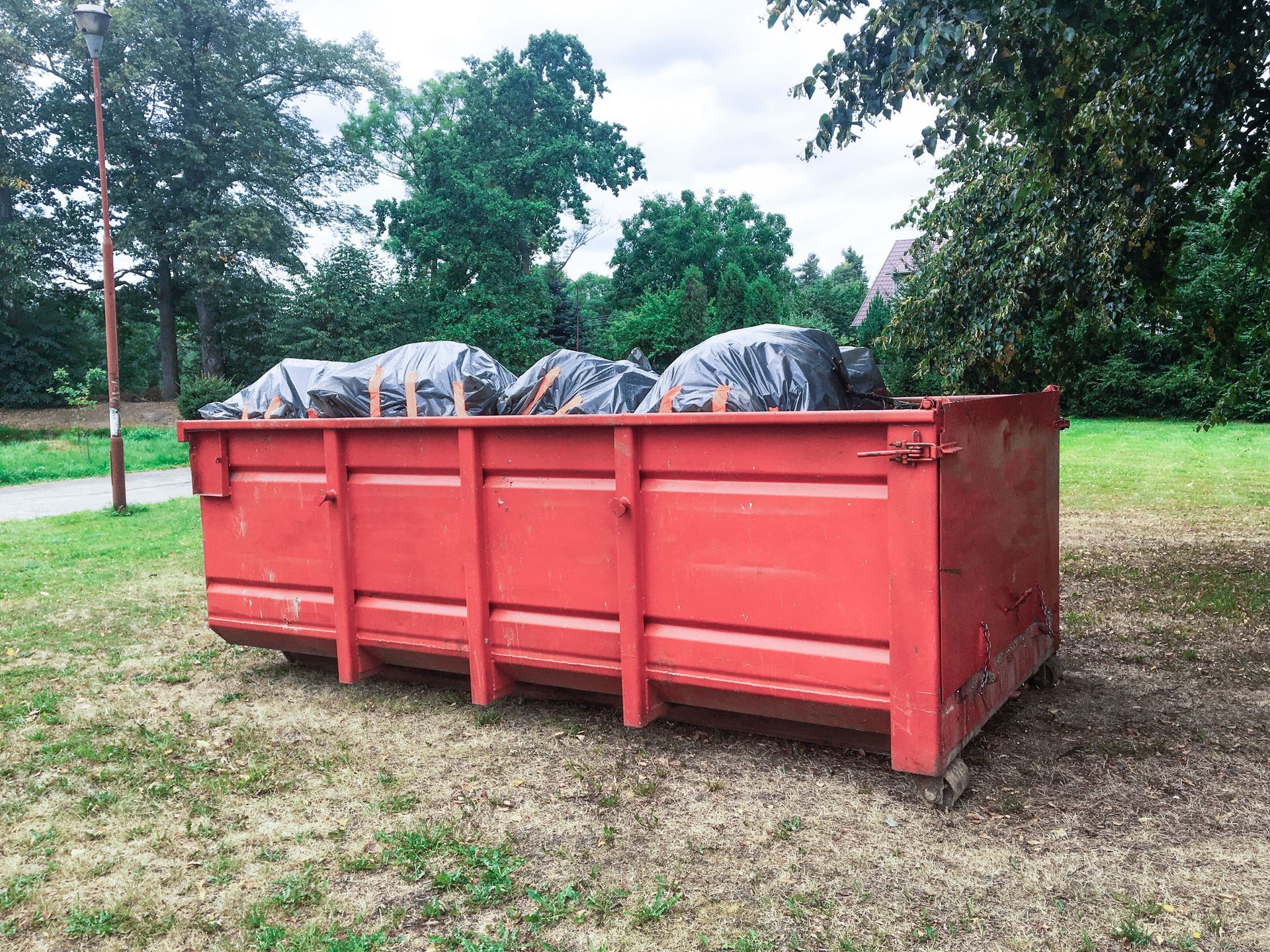
Selecting the ideal equipment begins with grasping the physical dimensions and structural designs available in the waste management sector. Open-top rectangular bins represent the standard across the construction and remodeling trades, providing wide swing-open rear doors that allow ground-level wheelbarrow access alongside high steel walls suited for crane or overhead drop loading. Standard sizes typically span ten, twenty, thirty, and forty cubic yards, with each dimensional footprint tailored to distinct physical properties and debris profiles. Compact ten-yard units accommodate localized bathroom remodels, roofing patches, and heavy masonry removals, whereas massive forty-yard vessels support commercial cleanouts and multi-story demolitions. Matching volumetric capacity to material density prevents mid-project capacity failures and hazardous vehicular transit.
Beyond standard configurations, specialized roll off containers serve niche environments where safety, security, and cleanliness dictate unique structural designs. Enclosed bins feature lockable top lids that prevent unauthorized community dumping, minimize pest attraction, and keep high-density trash contained within breezy urban corridors. Stationary compactors integrate mechanical press rams to condense light, voluminous materials like commercial cardboard and office waste, drastically reducing total transport trips. Furthermore, heavy-duty tubs engineered with low sidewalls enable safe loading for masonry, crushed concrete, and wet dirt without exceeding state road weight regulations. Knowing how these structural variations operate ensures your job site maintains functional efficiency without risking mechanical overfills.
Identifying Project Scope and Material Composition
Accurately calculating your waste footprint requires an uncompromising evaluation of the materials generated during each phase of work. Light architectural clearing produces expansive yet low-weight piles of acoustic tile, framing timber, and insulation, while structural overhauls generate concrete chunks, plaster slabs, and heavy stone pavers. Standard roll off containers carry precise gross vehicle weight thresholds enforced by transportation authorities to prevent structural stress on transit highways. Distributing dense structural loads across low-capacity bins avoids dangerous weight violations, while reserving tall, high-volume tubs for lightweight debris maximizes interior storage. Conducting an initial material audit prevents premature haul-outs, container structural warping, and costly transport overload penalties.
Equally important is distinguishing between benign construction refuse and prohibited hazardous chemical compounds before loading initiates. Standard waste agreements strictly ban volatile liquids, wet solvent paints, petroleum fuels, loose asbestos fibers, and chemical refrigerants due to stringent environmental protection laws. Placing hazardous items into standard commercial tubs introduces chemical cross-contamination, exposing haulers to harsh fines and mandating expensive manual extraction fees at regional recycling facilities. Establishing designated collection zones for household hazardous substances, electronics, and mercury thermostats keeps your main waste streams pure. Diligent waste segregation protects local ecosystems, keeps your job site fully compliant with environmental codes, and promotes sustainable processing.
Evaluating Site Access and Physical Placement
Positioning heavy hauling equipment requires meticulous evaluation of your property's topography, entrance pathways, and overhead clearance. A fully loaded transport truck carrying steel roll off containers requires expansive approach angles, stable driveway approaches, and adequate vertical clearance beneath electrical lines and mature trees. Placing massive bins directly onto unreinforced asphalt, decorative stone pavers, or damp turf risks deep ruts, cracked structural stone, and sheared irrigation pipes. Laying wide sheets of thick structural plywood or heavy wooden planks directly beneath the steel wheels distributes point-load weight safely across the terrain, preserving existing architectural ground finishes throughout the staging timeline.
Strategic placement also requires careful adherence to local municipal ordinances and neighborhood property boundaries. Positioning bins along public avenues, thoroughfares, or municipal alleys frequently mandates formal public works permits, marked reflective barricades, and strict illumination warnings to prevent nocturnal vehicular accidents. Private subdivisions and homeowner associations often enforce distinct architectural guidelines limiting equipment visibility, street parking durations, and maximum delivery hours. Investigating regional regulations ahead of scheduled delivery avoids immediate code enforcement citations and mandatory equipment impoundment. Choosing accessible, compliant staging locations preserves site safety, keeps transport paths completely clear, and protects neighborhood relationships throughout construction.
Managing Project Timelines and Budget Structures
Developing a precise operational calendar prevents unnecessary rental extensions, hidden maintenance fees, and unwanted property congestion. While standard lease agreements for roll off containers usually provide seven to fourteen days of on-site staging, unexpected labor delays or supply shortages can lengthen project milestones. Estimating your project progression conservatively allows you to secure appropriate rental durations while avoiding daily holding fees. Building a reasonable time buffer into your schedule guarantees that trade crews complete their dirty demo work and load all lingering refuse before the hauler returns for final transit, ensuring that no stray waste remains behind.
Navigating equipment costs also requires a comprehensive analysis of quotes from competing regional suppliers. Professional waste estimates typically incorporate baseline rental periods, delivery transit fuel, and specific tipping fees established by local county processing facilities. However, exceeding your allotted weight threshold or loading unauthorized items triggers significant surcharges that disrupt carefully planned financial outlines. Requesting fully itemized, transparent agreements protects your project budget from unexpected drop-off charges, environmental surcharges, and municipal road tariffs. Transparent communication regarding material volumes and disposal schedules ensures that you secure reliable service at a predictable price point.
Selecting Reputable Providers and Finalizing Delivery
Choosing a certified, well-reviewed hauling contractor ensures your waste disposal remains seamless and dependable throughout the build. Top-tier providers maintain modern vehicle fleets, supply undamaged steel bins, and deliver clear operational terms backed by responsive dispatchers. Reviewing localized business ratings and industry accreditations reveals how consistently a provider handles emergency container swaps and tight turnaround demands. Working with an experienced regional specialist guarantees your driver possesses the spatial skill required to deposit heavy roll off containers into cramped urban alleys, steep driveways, or delicate commercial parking courts without causing structural impact damage.
Once you finalize your vendor partnership, establish straightforward logistics protocols for both drop-off and pickup days. Provide your service dispatcher with precise physical directions, marked aerial drop boundaries, and dedicated gate codes to eliminate delivery confusion. On transit day, ensure all personal vehicles, commercial trailers, and exterior obstacles are removed from the delivery path so the hydraulic truck can maneuver safely. After loading wraps up, ensure the refuse lies completely flush beneath the top rail to guarantee safe transit along public roads. For dependable scheduling, heavy-duty roll off containers, and transparent disposal pricing tailored to your property, contact Burleson Dumpsters to schedule your drop-off today.