May 14, 2026
Selecting the appropriate waste management solution is a pivotal decision for any project, whether it involves a minor home cleanout or a massive commercial construction site. The choice between standard dumpsters and roll off containers often dictates the speed, cost, and environmental footprint of your disposal process. While both serve the primary function of housing waste, their structural designs and operational methods cater to very different needs. By analyzing the specific demands of your site and the nature of the materials you are discarding, you can ensure a more streamlined and cost-effective experience.
Identifying Structural and Design Differences
Standard dumpsters are typically designed as permanent or semi-permanent fixtures for businesses that generate a steady stream of trash. These units are often smaller, featuring heavy-duty lids to contain odors and deter pests. Because they are stationary, they are perfect for back alleys or parking lots where space is at a premium. They are generally serviced by front-load or rear-load trucks that lift and empty them on a set schedule, making them a staple for restaurants and apartment complexes.
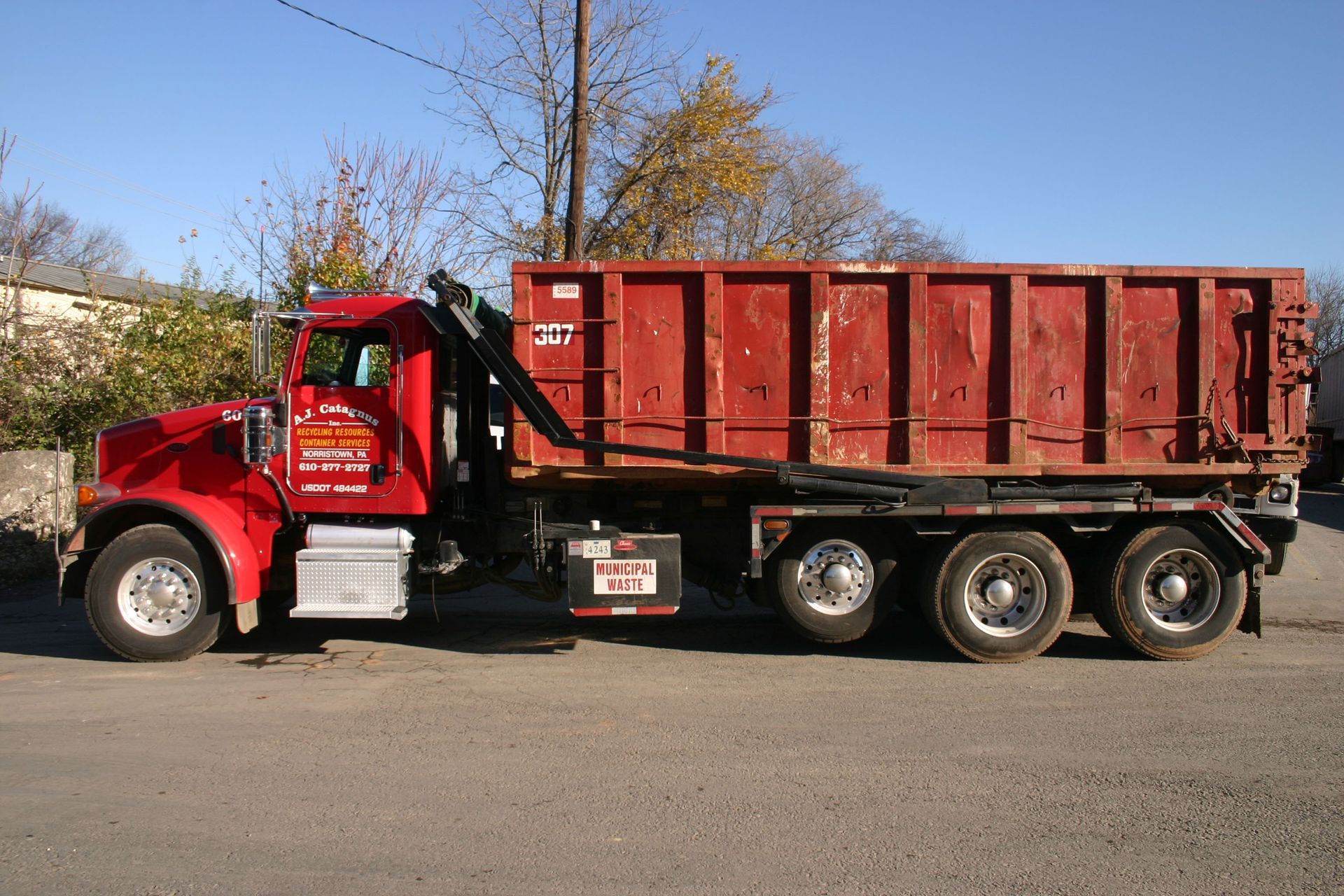
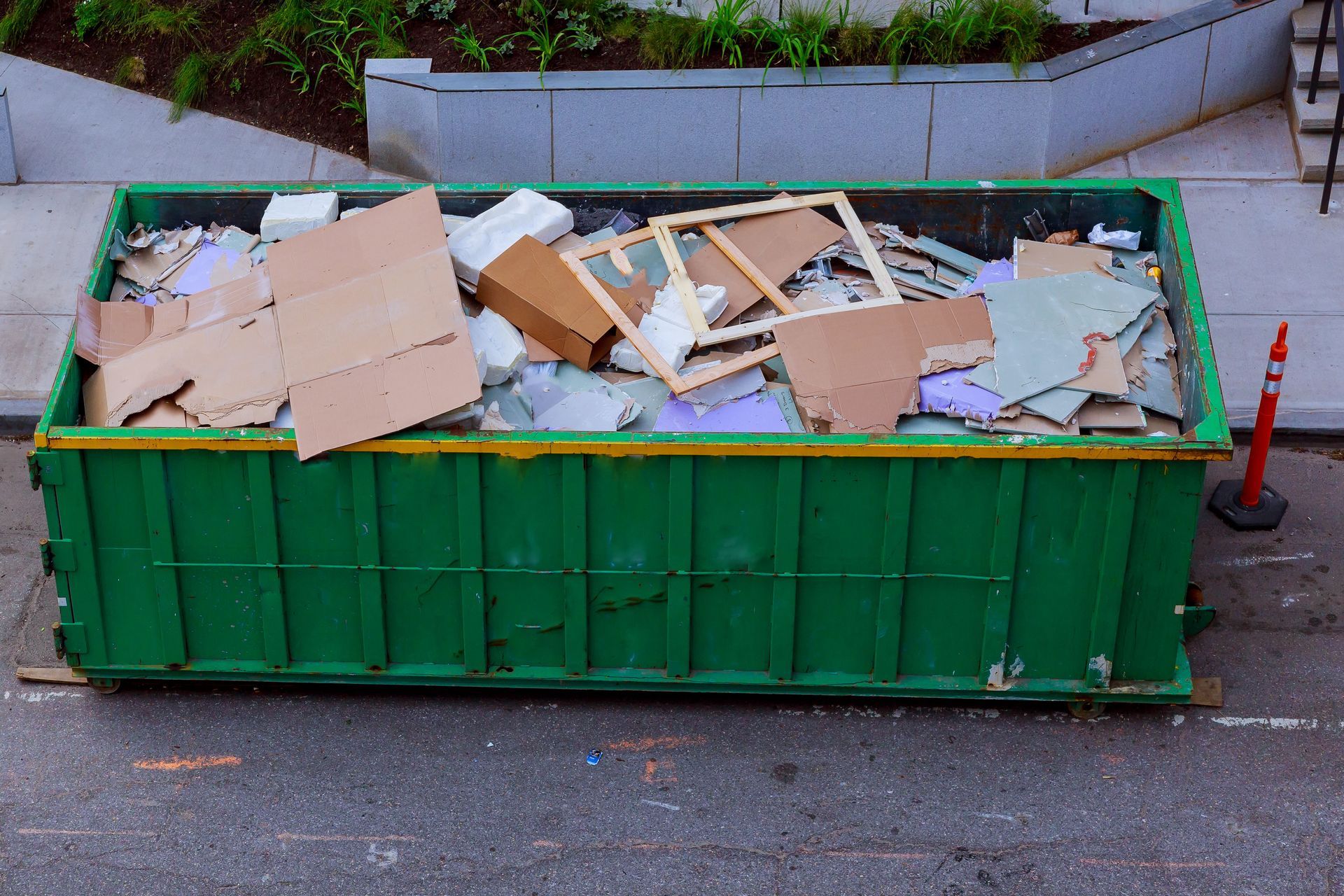
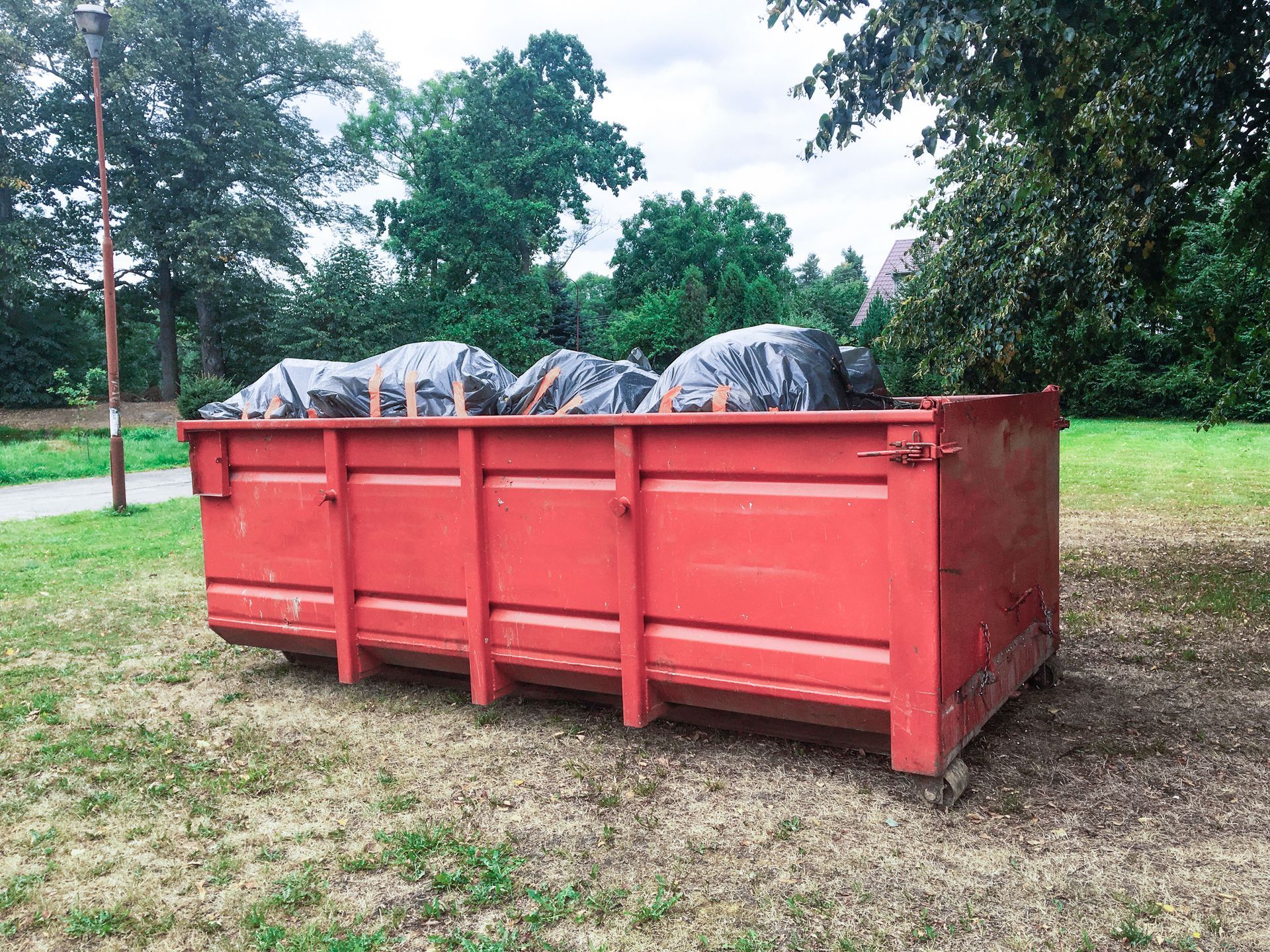
In contrast, roll off containers are engineered for temporary, high-volume projects. These large, rectangular boxes are delivered via specialized trucks that "roll" them off the back using a hydraulic hoist. Unlike their stationary counterparts, they have an open-top and a large swinging door at the back, which allows users to walk heavy debris directly into the unit. This design makes them indispensable for construction and demolition work where bulky items like timber, concrete, and roofing shingles are common.
The mobility of roll off containers provides a level of flexibility that standard dumpsters cannot match. They can be placed precisely where the waste is being generated, such as in a driveway or near a building's entrance. Once the container is full, the rental company hauls the entire unit away to be emptied, replacing it with a fresh one if necessary. This cycle supports dynamic work environments where waste production is intense but temporary.
Evaluating Cost and Budgeting Factors
Budgeting for waste disposal requires a clear understanding of your project’s duration and the volume of material expected. Standard dumpsters usually involve a long-term contract with a flat monthly fee, covering a specific number of weekly pickups. This provides a predictable expense for businesses with consistent waste cycles. However, if the waste volume spikes unexpectedly, you may face "overage" fees or require extra pickups, which can quickly inflate your monthly operating costs.
Roll off containers typically operate on a per-project rental basis, where costs are determined by the size of the container and the weight of the debris. According to the Environmental Protection Agency, commercial and residential dumpster rentals help divert more than 60% of debris from landfills when combined with recycling programs. This high diversion rate is often facilitated by these larger units, as they allow for better sorting of materials on-site, which can sometimes lead to lower disposal fees if the materials are taken to a recycling center rather than a landfill.
While the initial rental fee for a larger container may seem higher than a monthly dumpster contract, the efficiency gained can lead to overall savings. For example, using a single 30-yard container instead of multiple small dumpsters reduces the number of trips a truck must make to your site. This minimizes transportation costs and fuel surcharges. It is essential to accurately estimate your waste weight, as exceeding the weight limit of these containers can result in significant additional charges.
Prioritizing Environmental and Sustainability Goals
Sustainability is no longer an afterthought in waste management; it is a core requirement for many modern projects. Large-scale roll off containers play a vital role in this by accommodating bulky recyclables that would never fit in a standard trash bin. Metal, wood, and cardboard can be collected in bulk, ensuring that valuable materials are redirected back into the manufacturing cycle. This practice not only helps the planet but also helps businesses meet local green building certifications and environmental regulations.
Standard dumpsters also contribute to sustainability by providing a contained environment for everyday waste, preventing litter from spreading into the surrounding ecosystem. When managed correctly, these units ensure that urban waste is handled safely and hygienically. However, their smaller size often means they are emptied more frequently, which increases the carbon footprint associated with constant truck traffic. Choosing the right size container is therefore a balance between on-site space and the environmental impact of transport.
By integrating roll off containers into a comprehensive waste diversion plan, contractors can significantly lower their environmental impact. Many providers now offer "commingled" recycling, where various types of debris are sorted at a secondary facility. This ensures that even if you don't have the space for multiple bins on your site, your waste is still being processed with an eye toward recovery and reuse rather than simple disposal.
Enhancing Operational and Site Efficiency
Efficiency on a job site is often measured by how little time workers spend dealing with obstacles, including trash. Roll off containers enhance this efficiency by providing a central, high-capacity point for all debris. The rear-loading door is a major ergonomic advantage, as it allows workers to use wheelbarrows to deposit heavy waste, reducing the risk of strain or injury associated with lifting heavy items over the high walls of a standard dumpster.
Site logistics also play a role in container choice. If a site has limited access or overhead obstructions like power lines, a standard dumpster might be the only feasible option. However, for most construction sites, the ability to have a roll off containers unit positioned near the work area saves hundreds of man-hours over the course of a project. The time saved in walking debris to a distant bin translates directly into lower labor costs and faster project completion.
Maintenance is another factor to consider. Standard dumpsters require regular cleaning to prevent odors and bacterial growth, especially if they hold organic waste. Because these units are used for temporary projects, they are usually removed before such issues become a problem. This "drop and swap" model ensures that your site remains clean and professional-looking without requiring long-term maintenance efforts from your own staff.
Mitigating Safety and Liability Risks
Safety is paramount whenever heavy equipment and large volumes of waste are involved. Standard dumpsters, being stationary and enclosed, are generally low-risk, provided they are not overloaded to the point where the lids cannot close. However, they can become a fire hazard if they are placed too close to buildings or if flammable materials are disposed of improperly. Clear signage and proper placement are necessary to ensure they do not block emergency exits or fire lanes.
When using roll off containers, safety protocols must be even more stringent. Overloading a container can make it unstable during transport, posing a danger to the driver and other motorists. It is also crucial to ensure the ground where the container is placed is level and capable of supporting the weight of a fully loaded unit. Using "street pads" or wooden planks under the rollers can prevent damage to asphalt or concrete surfaces, protecting the property owner from costly repairs.
Understanding the specific advantages of each waste management tool allows you to tailor your disposal strategy to the unique needs of your project. Whether you require the compact, permanent nature of a standard dumpster or the high-capacity, mobile power of roll-off units, making the right choice will save you time, money, and headaches. Effective waste management is the backbone of a successful project, ensuring that your site stays clean, compliant, and productive from start to finish. For more information about the services that we offer, reach out to our incredible team at Burleson Dumpsters today!