March 11, 2026
Choosing the right dumpster size can make or break the efficiency of a cleanup project. Whether you are managing a home renovation, a construction site, or a large community event, the size of the container you choose affects costs, logistics, and overall waste management success. When people begin researching dumpster rentals, they often focus only on price, but capacity and project needs are just as important. Understanding how to match your project with the right container can help streamline cleanup and make waste removal far less stressful.
Evaluate Your Project Scope and Scale
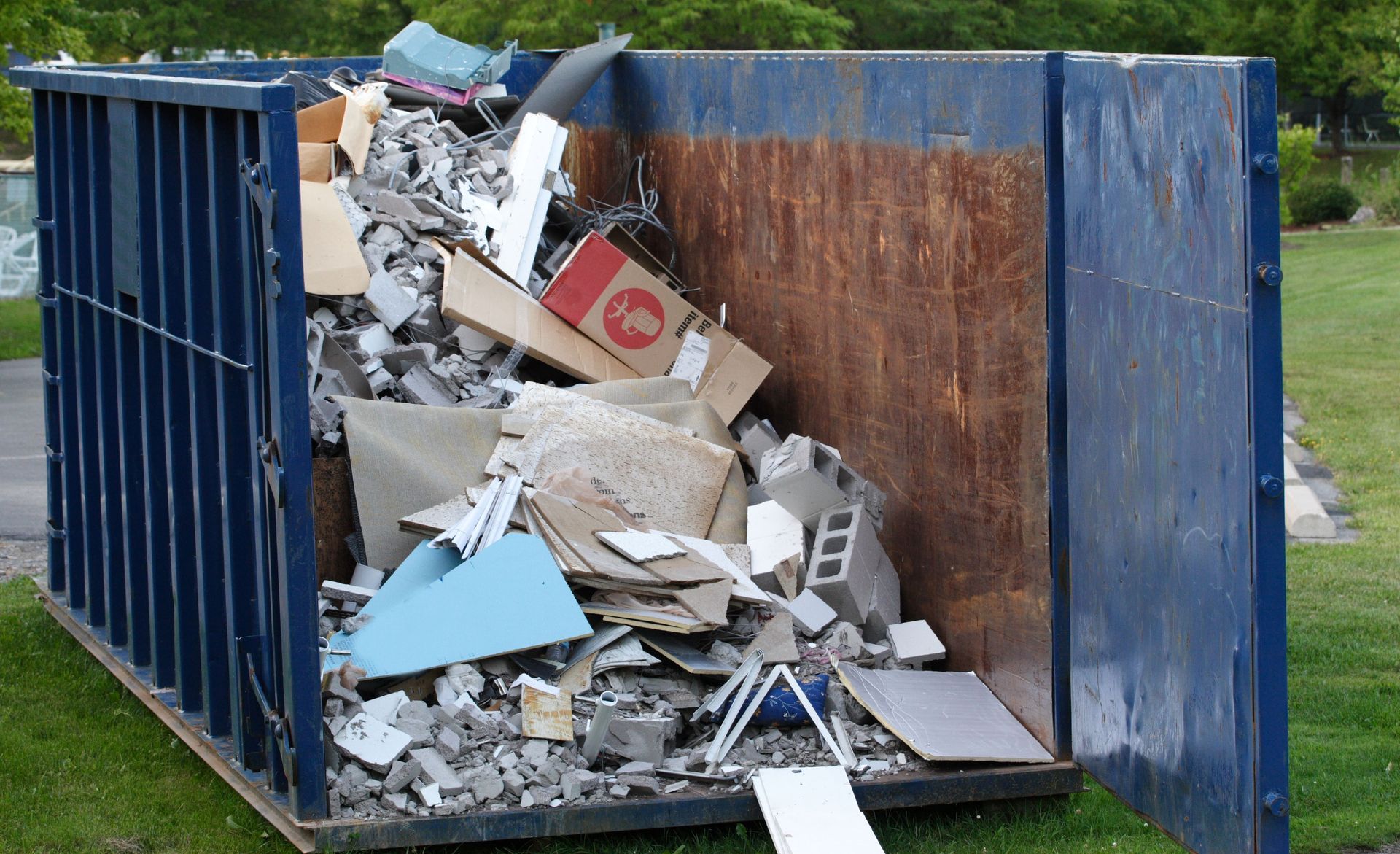
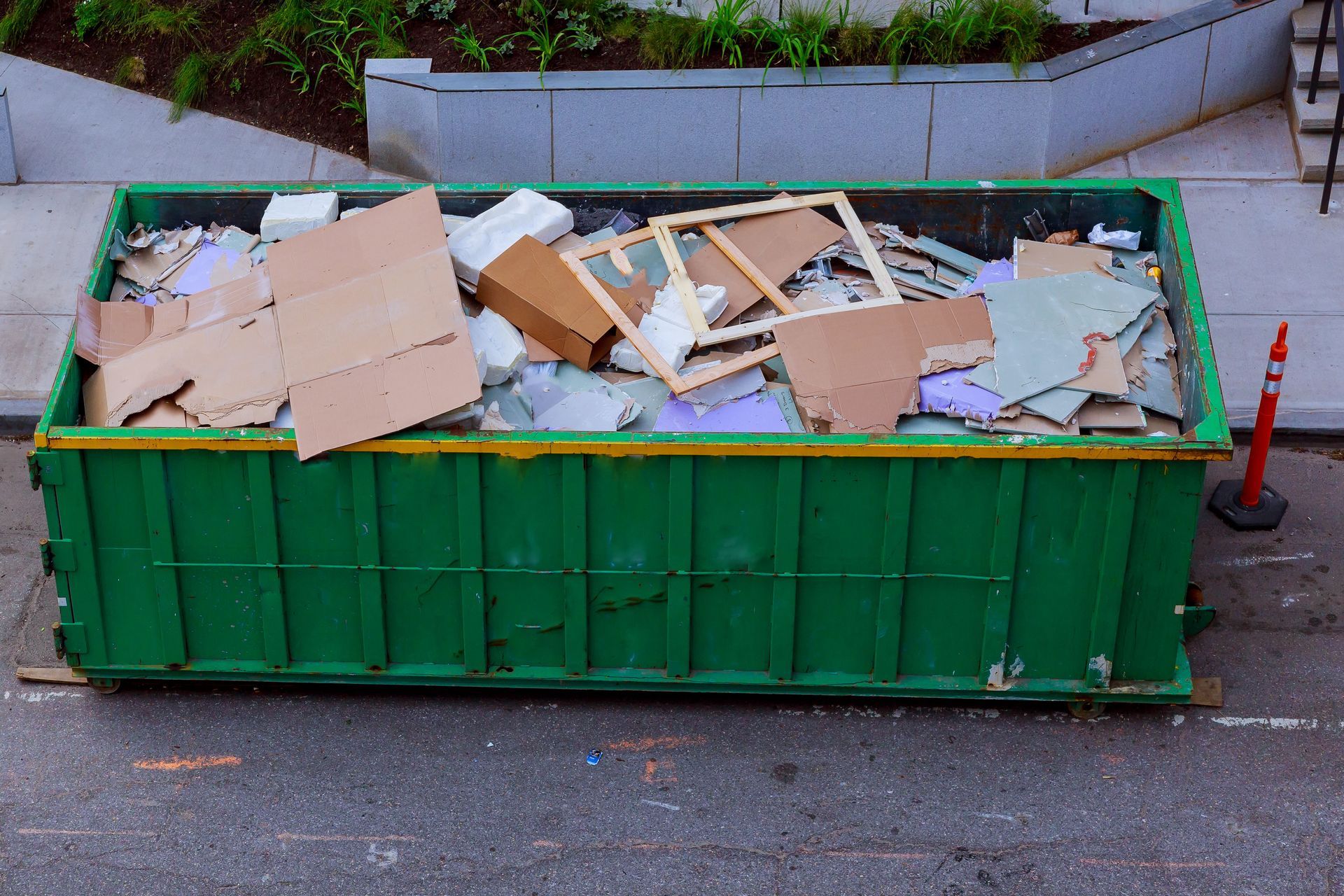
One of the most important steps when planning dumpster rentals is understanding the scope of the project you are working on. Estimating the volume of materials ahead of time helps prevent choosing a container that fills up too quickly and disrupts progress. Homeowners completing minor projects may only need a compact container for household junk or renovation debris. Contractors working on larger construction sites typically require significantly more capacity to handle drywall, lumber, roofing materials, and other building waste. Evaluating the full scale of the project allows you to determine whether you need a smaller residential option or a larger construction container that can accommodate ongoing debris removal throughout the job.
Consider the Types of Materials Being Disposed
Different projects produce different types of waste, which can influence the size and type of dumpster needed. Materials like concrete, brick, or dirt are extremely heavy and may require smaller containers to avoid exceeding weight limits, while lighter materials such as wood, packaging, or household clutter can fill larger containers without reaching maximum weight thresholds. When planning dumpster rentals, it is helpful to consider whether your debris will be primarily construction materials, household junk, landscaping waste, or mixed debris. Matching the container size with the materials being disposed of ensures efficient waste removal without additional fees or complications during pickup.
Understand Common Dumpster Sizes
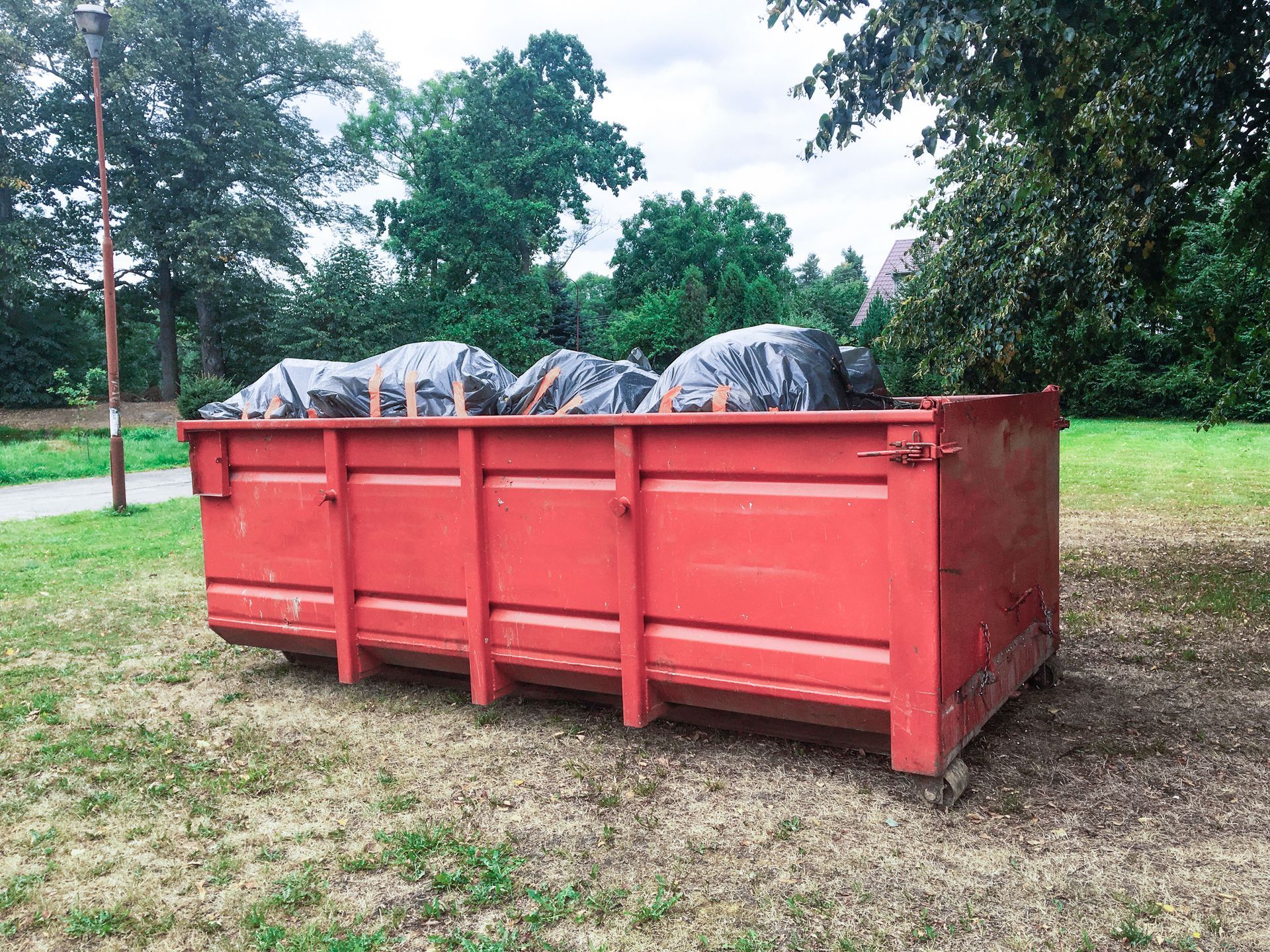
Dumpster sizes are typically measured in cubic yards, which represent the volume of waste the container can hold. According to Medium, the most common dumpster sizes are 10, 20, 30, and 40 yards, each suited for different types of cleanup projects. Understanding these common sizes helps make dumpster rentals far easier to plan. A smaller container is commonly used for small residential cleanouts, minor remodeling projects, or yard debris removal. A midsized dumpster is one of the most versatile options and works well for medium-sized renovations, flooring replacements, or roof tear-offs. Larger dumpsters are typically used for major construction work, demolition projects, or large commercial cleanups where debris accumulates quickly. Selecting the appropriate size helps minimize interruptions during the project and ensures waste can be handled efficiently without multiple container swaps.
Measure and Estimate Waste Volume
Estimating the amount of debris your project will produce is an essential step in choosing the right dumpster size. One practical approach involves measuring the approximate dimensions of the waste pile and converting that volume into cubic yards. This calculation allows you to determine which container size is most appropriate for your needs. Many people who schedule dumpster rentals also rely on visual estimates based on the type of project being completed. For example, replacing cabinets and countertops in a kitchen typically generates enough debris to fill a mid-size container. Roofing projects, on the other hand, often require larger dumpsters because of the sheer volume of shingles and underlayment materials removed during the process. By estimating debris ahead of time, you reduce the likelihood of needing additional containers or facing unexpected disposal challenges.
Plan for Project Duration and Pickup Frequency
Another factor to consider when selecting a dumpster is how long the project will last. Short-term cleanouts may only require a container for a few days, while large construction jobs can produce waste continuously over several weeks. When arranging dumpster rentals, think about how quickly debris will accumulate and how often pickups might be needed. For fast-paced construction or demolition projects, a larger container can reduce the need for frequent waste removal. In contrast, smaller projects with limited space may benefit from smaller dumpsters with scheduled pickups to keep the area organized and safe. Planning for project duration ensures that waste management stays aligned with your workflow rather than slowing it down.
Review Local Regulations and Placement Requirements
Local regulations can influence where dumpsters can be placed and what materials they can contain. Some municipalities require permits for containers placed on streets or sidewalks, while others have specific rules regarding prohibited materials such as hazardous waste or electronics. Before scheduling dumpster rentals, it is wise to confirm placement guidelines and disposal regulations in your area. This helps avoid fines, delays, or complications that could disrupt your project timeline. Understanding local requirements also ensures the dumpster can be delivered and picked up without logistical obstacles that might affect your schedule.
Consider Environmental Responsibility
Selecting the correct dumpster size also contributes to responsible waste management. Properly sized containers reduce the likelihood of overflow, illegal dumping, and unnecessary transportation trips for waste removal. Efficient dumpster rentals help promote recycling and organized disposal practices by ensuring materials are properly contained and transported to appropriate facilities. Fewer hauling trips also reduce fuel consumption and emissions associated with waste transport vehicles. Thoughtful planning supports sustainability goals while also improving the efficiency of your cleanup efforts.
Balance Cost and Efficiency
Cost is always an important consideration when renting a dumpster, but the cheapest option is not always the most economical in the long run. Choosing a container that is too small can lead to overfilling fees or additional rentals that increase total project expenses. When comparing dumpster rentals, it is helpful to consider both upfront costs and the potential expenses associated with additional pickups or weight overages. Selecting the correct size from the beginning typically saves money and keeps the project running smoothly without unnecessary interruptions. Balancing efficiency with budget considerations allows you to manage waste responsibly while maintaining financial control over your project.
Match Dumpster Size to Project Type
Different types of projects require different waste management solutions. Residential cleanouts, remodeling projects, construction sites, demolition work, and community events all generate unique forms of debris that must be handled appropriately. Residential
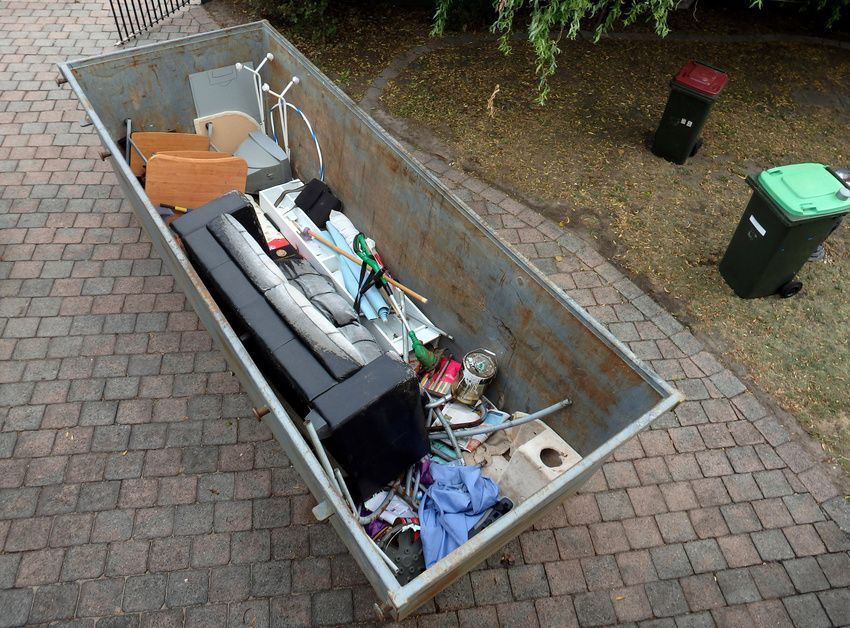
dumpster rental options are ideal for homeowners tackling garage cleanouts, home renovations, or landscaping projects. Construction dumpsters are better suited for commercial projects or building sites where debris accumulates rapidly. Demolition dumpsters provide the capacity needed for major structural removal, while special event dumpster rentals help manage large volumes of trash generated by festivals, fairs, or outdoor gatherings. Matching the container type to the project ensures that waste removal remains efficient and organized throughout the duration of the work.
Selecting the right dumpster size is one of the most important decisions in planning effective waste management. From evaluating project scope and material types to estimating debris volume and considering environmental responsibility, each step helps ensure that cleanup efforts remain efficient and cost-effective. Thoughtful planning allows projects to stay organized, prevents unnecessary expenses, and supports responsible disposal practices from start to finish.
If you are planning a renovation, construction project, or large cleanup in Johnson, Hood, or Tarrant Counties, our team at Burleson Dumpsters is here to help. We provide reliable dumpster rentals with next-day delivery, instant phone quotes, and containers designed for residential projects, construction sites, demolition work, and special events, and we are ready to help you choose the right size so your project stays clean, organized, and on schedule from beginning to end.